Carrageenan Mono And Diglycerides
What is Carrageenan Mono And Diglycerides?
Carrageenan is a food additive made from red seaweed. Mono- and diglycerides are produced from fats and oils, often from plant sources like soy or rapeseed, or animal sources like lard. They are often used together as emulsifiers.
Is Carrageenan Mono And Diglycerides gluten-free?
Gluten is not present.
Is Carrageenan Mono And Diglycerides a major allergen?
Mono- and diglycerides can be derived from soy, which is a major allergen.
What is Carrageenan Mono And Diglycerides used for?
Mono- and diglycerides help blend ingredients that don't normally mix, like oil and water, creating smoother textures in foods.
Is Carrageenan Mono And Diglycerides safe?
Carrageenan is generally recognized as safe (GRAS) by the FDA for use in food.
Why it's used
Mono- and diglycerides help blend ingredients that don't normally mix, like oil and water, creating smoother textures in foods. Carrageenan is used as a thickener and stabilizer. Together, they are found in dairy products, processed meats, and baked goods.
Health notes
Carrageenan is generally recognized as safe (GRAS) by the FDA for use in food. Some studies have raised questions about potential digestive issues with carrageenan, but regulatory bodies like the FDA and EFSA have reviewed the evidence and consider it safe at typical consumption levels. Mono- and diglycerides are also considered safe by the FDA. JECFA has evaluated both substances.
Allergen info
Mono- and diglycerides can be derived from soy, which is a major allergen. Carrageenan is not a major allergen. Gluten is not present.
Foods that contain Carrageenan Mono And Diglycerides
Compare products →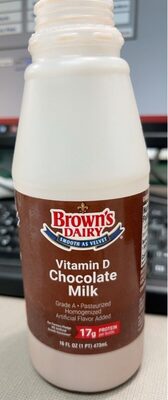 Prairie Farms Dairy, Inc.
Chocolate Vitamin D Milk, Chocolate
High in saturated fat — 55% DV per serving
High in added sugars — 76% DV per serving
High in cholesterol — 22% DV per serving
97kcal
3.6Protein
3.4Fat
13.3Carbs
Sandridge Food Corporation
Stuffed Bell Pepper With Beef Soup, Stuffed Bell Pepper With Beef
87kcal
4.8Protein
3.9Fat
—Carbs
Winn-Dixie Stores, Inc.
Butter Toffee Sticky Cakes, Butter Toffee
High in saturated fat — 70% DV per serving
High in added sugars — 68% DV per serving
High in cholesterol — 35% DV per serving
338kcal
3.5Protein
159Fat
45.5Carbs
Prairie Farms Dairy, Inc.
Chocolate Vitamin D Milk, Chocolate
High in saturated fat — 55% DV per serving
High in added sugars — 76% DV per serving
High in cholesterol — 22% DV per serving
97kcal
3.6Protein
3.4Fat
13.3Carbs
Sandridge Food Corporation
Stuffed Bell Pepper With Beef Soup, Stuffed Bell Pepper With Beef
87kcal
4.8Protein
3.9Fat
—Carbs
Winn-Dixie Stores, Inc.
Butter Toffee Sticky Cakes, Butter Toffee
High in saturated fat — 70% DV per serving
High in added sugars — 68% DV per serving
High in cholesterol — 35% DV per serving
338kcal
3.5Protein
159Fat
45.5Carbs
Learn more
Auto-generated content. This description was generated automatically and is pending editorial review. Inaccuracies are possible. Found a mistake? Contact us.