Monoglycerides
What is Monoglycerides?
Monoglycerides are a type of fat molecule, specifically a partial glyceride, formed from glycerol and one fatty acid. They are commonly produced by breaking down fats (triglycerides) found in vegetable oils or animal fats through a process called glycerolysis.
Is Monoglycerides a major allergen?
Monoglycerides are not considered a major allergen.
What is Monoglycerides used for?
Manufacturers add monoglycerides primarily as emulsifiers, which help mix ingredients that normally separate, like oil and water.
Is Monoglycerides safe?
Monoglycerides are generally recognized as safe (GRAS) by the U.S. Food and Drug Administration (FDA).
Why it's used
Manufacturers add monoglycerides primarily as emulsifiers, which help mix ingredients that normally separate, like oil and water. They improve the texture, stability, and shelf life of many processed foods, including baked goods like cakes and breads, as well as dairy products and margarine.
Health notes
Monoglycerides are generally recognized as safe (GRAS) by the U.S. Food and Drug Administration (FDA). They are digested by the body in a similar way to other dietary fats. The Joint FAO/WHO Expert Committee on Food Additives (JECFA) has evaluated monoglycerides and related compounds and established an acceptable daily intake. The European Food Safety Authority (EFSA) has also assessed their safety.
Allergen info
Monoglycerides are not considered a major allergen. While they can be produced from various fats, including soy oil, the refining process typically removes allergenic proteins.
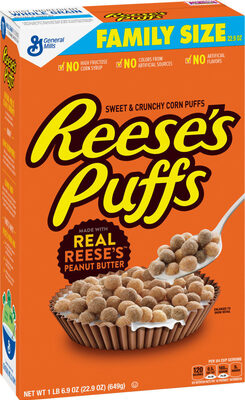
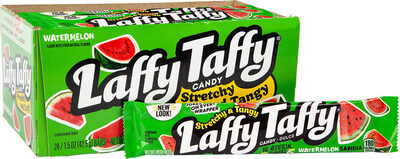
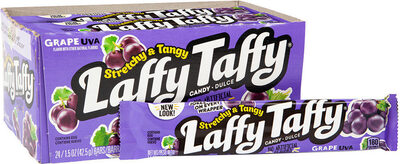
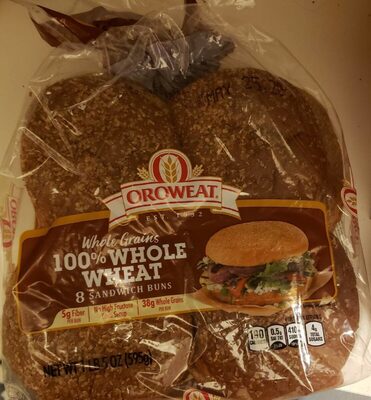
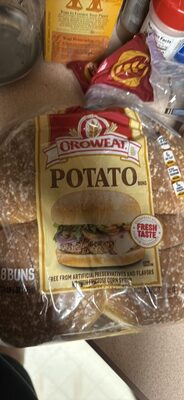
Foods that contain Monoglycerides
Compare products →












Learn more
Auto-generated content. This description was generated automatically and is pending editorial review. Inaccuracies are possible. Found a mistake? Contact us.