Cassava
What is Cassava?
Cassava is a starchy root vegetable native to South America. It is a staple food for millions of people worldwide, especially in tropical regions. The root is typically peeled, cooked, and can be processed into flour, tapioca, or eaten whole.
Is Cassava vegan?
Cassava is not animal-derived. Products that contain it can still include other animal-derived ingredients, so check the full ingredient list.
Is Cassava gluten-free?
It is also naturally gluten-free.
Is Cassava a major allergen?
Cassava is not one of the nine major allergens recognized by the FDA.
What is Cassava used for?
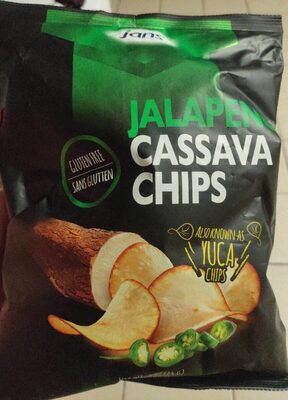
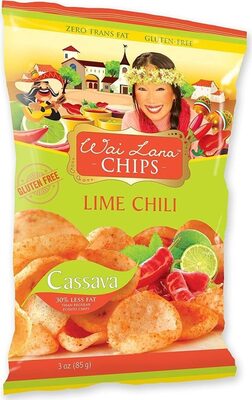
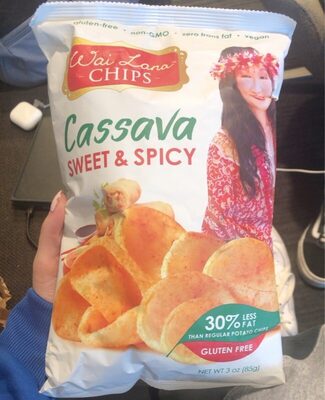
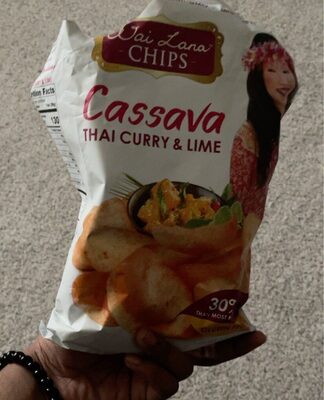
Cassava is most commonly used to make flour, tapioca pearls, and chips.
Is Cassava safe?
Cassava is generally recognized as safe (GRAS) by the FDA when used as a food ingredient.
Why it's used
Cassava is most commonly used to make flour, tapioca pearls, and chips. Its flour is a gluten-free alternative to wheat flour and is used in baking and as a thickener in sauces and gravies. Tapioca starch, derived from cassava, is used as a binder and texturizer in processed foods.
Health notes
Cassava is generally recognized as safe (GRAS) by the FDA when used as a food ingredient. It is a good source of carbohydrates and some vitamins and minerals. Like other starchy root vegetables, it should be properly prepared to reduce naturally occurring cyanogenic glycosides. JECFA has evaluated cassava and its derivatives.
Allergen info
Cassava is not one of the nine major allergens recognized by the FDA. It is also naturally gluten-free.
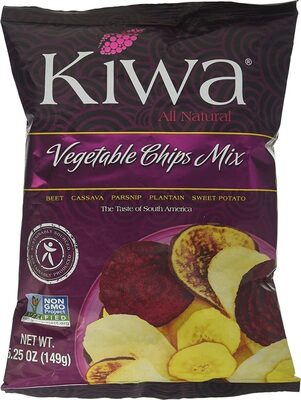
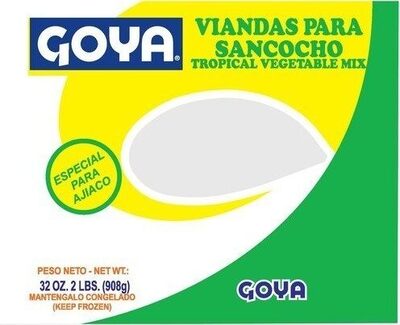
Foods that contain Cassava
Compare products →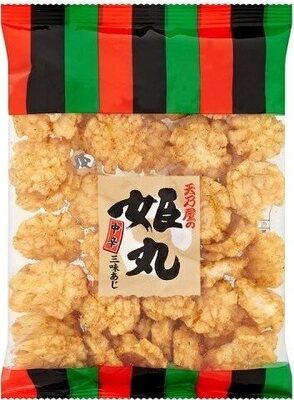

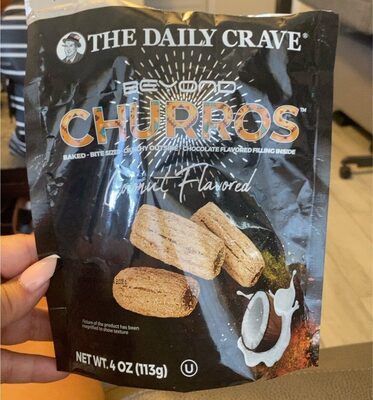
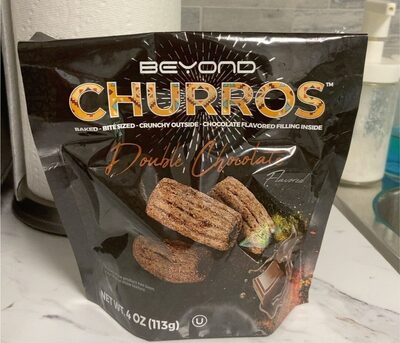
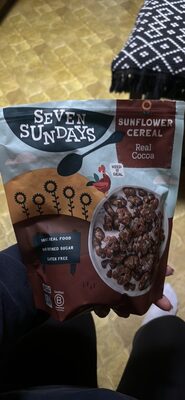
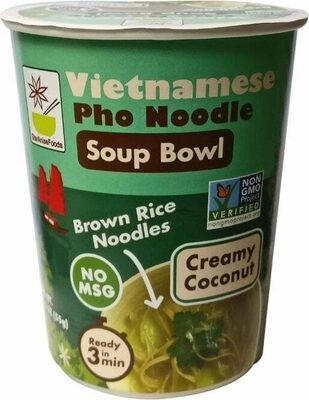
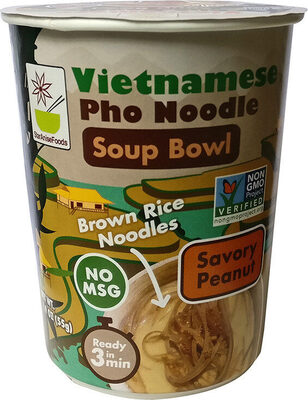 Star Anise Foods
Vietnamese Pho Noodle Soup Bowl, Savory Peanut
511kcal
7.4Protein
22.2Fat
66.7Carbs

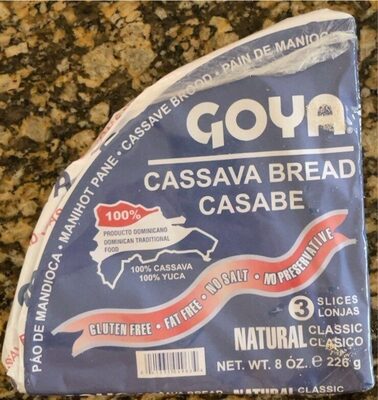
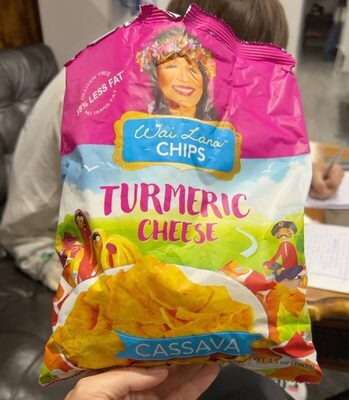
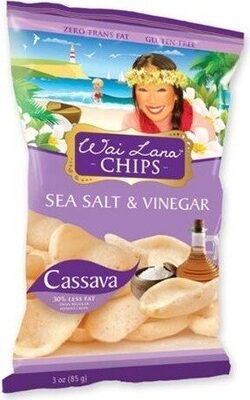

Auto-generated content. This description was generated automatically and is pending editorial review. Inaccuracies are possible. Found a mistake? Contact us.