Cassia Cinnamon
What is Cassia Cinnamon?
Cassia cinnamon is a spice derived from the bark of trees in the genus *Cinnamomum*. It is native to Southeast Asia and is one of the most common types of cinnamon used globally. The bark is harvested, dried, and then ground into a powder or sold as quills.
Is Cassia Cinnamon vegan?
Cassia Cinnamon is not animal-derived. Products that contain it can still include other animal-derived ingredients, so check the full ingredient list.
Is Cassia Cinnamon a major allergen?
Not a major allergen.
What is Cassia Cinnamon used for?
Cassia cinnamon is primarily used as a flavoring agent in a wide variety of foods and beverages.
Is Cassia Cinnamon safe?
Cassia cinnamon contains coumarin, a compound that can be harmful to the liver in large amounts.
Why it's used
Cassia cinnamon is primarily used as a flavoring agent in a wide variety of foods and beverages. It adds a warm, sweet, and slightly spicy taste. It is commonly found in baked goods, desserts, breakfast cereals, and beverages like teas and coffee drinks.
Health notes
Cassia cinnamon contains coumarin, a compound that can be harmful to the liver in large amounts. The U.S. Food and Drug Administration (FDA) considers cassia cinnamon to be generally recognized as safe (GRAS) when used as a spice. However, due to the coumarin content, excessive consumption should be avoided. Regulatory bodies like the European Food Safety Authority (EFSA) have established guidance on coumarin intake. JECFA has also evaluated cinnamon and its components.
Allergen info
Not a major allergen.
Foods that contain Cassia Cinnamon
Compare products →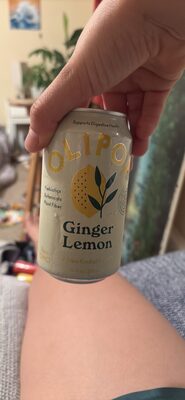 Olipop
Ginger Lemon Sparkling Tonic, Ginger Lemon
10kcal
0Protein
0Fat
3.7Carbs
Watkins Incorporated
Creamy Cinnamon Sugar
375kcal
0Protein
0Fat
100Carbs
Ito, Inc.
Carrot Curry Kimchi Roll
High in sodium — 20% DV per serving
High in saturated fat — 25% DV per serving
116kcal
2.5Protein
5.0Fat
16.1Carbs
Olipop
Ginger Lemon Sparkling Tonic, Ginger Lemon
10kcal
0Protein
0Fat
3.7Carbs
Watkins Incorporated
Creamy Cinnamon Sugar
375kcal
0Protein
0Fat
100Carbs
Ito, Inc.
Carrot Curry Kimchi Roll
High in sodium — 20% DV per serving
High in saturated fat — 25% DV per serving
116kcal
2.5Protein
5.0Fat
16.1Carbs
Learn more
Auto-generated content. This description was generated automatically and is pending editorial review. Inaccuracies are possible. Found a mistake? Contact us.