Ceylon Cinnamon
What is Ceylon Cinnamon?
Ceylon cinnamon, also known as true cinnamon, comes from the bark of the *Cinnamomum verum* tree, native to Sri Lanka and southern India. The bark is dried, and the outer layers are scraped away to reveal the fragrant inner bark, which is then rolled into quills or ground into powder.
Is Ceylon Cinnamon vegan?
Ceylon Cinnamon is not animal-derived. Products that contain it can still include other animal-derived ingredients, so check the full ingredient list.
Is Ceylon Cinnamon gluten-free?
Ceylon cinnamon is not one of the nine major allergens recognized by the FDA and does not contain gluten.
What is Ceylon Cinnamon used for?
Manufacturers add Ceylon cinnamon primarily as a flavoring agent, imparting a warm, sweet, and woody taste.
Is Ceylon Cinnamon safe?
Ceylon cinnamon is generally recognized as safe (GRAS) by the FDA for use as a food flavoring.
Why it's used
Manufacturers add Ceylon cinnamon primarily as a flavoring agent, imparting a warm, sweet, and woody taste. It is commonly found in baked goods like cookies and biscuits, as well as in beverages such as tea and powdered drink mixes.
Health notes
Ceylon cinnamon is generally recognized as safe (GRAS) by the FDA for use as a food flavoring. Some research suggests potential benefits for blood sugar management and antioxidant effects, but more high-quality studies are needed. The European Food Safety Authority (EFSA) has evaluated cinnamon, and the Joint FAO/WHO Expert Committee on Food Additives (JECFA) has also assessed it. Coumarin, a compound found in higher amounts in cassia cinnamon, has been linked to liver concerns at very high doses, but Ceylon cinnamon typically contains much lower levels.
Allergen info
Ceylon cinnamon is not one of the nine major allergens recognized by the FDA and does not contain gluten.
Foods that contain Ceylon Cinnamon
Compare products →
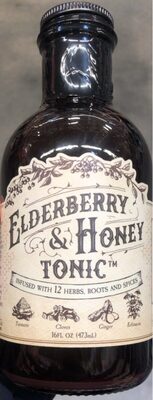
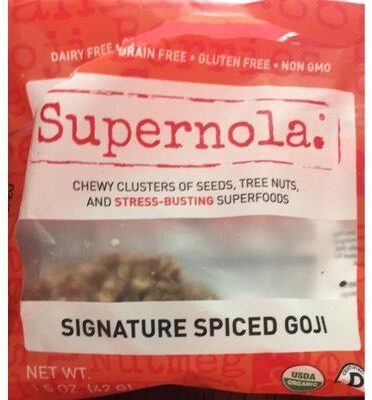
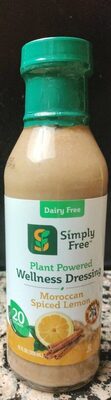
Learn more
Auto-generated content. This description was generated automatically and is pending editorial review. Inaccuracies are possible. Found a mistake? Contact us.