Champagne Vinegar
Auto-generated content. This description was generated automatically and is pending editorial review. Inaccuracies are possible. Found a mistake? Contact us.
What it is
Champagne vinegar is a type of vinegar made from champagne wine. It is produced through a fermentation process where alcohol in the wine is converted to acetic acid. This gives it a mild, fruity flavor and a light color.
Why it's used
Manufacturers use champagne vinegar primarily as a flavoring agent and an acidity regulator in foods. Its delicate taste makes it ideal for salad dressings, marinades, and sauces, especially those with lighter profiles like vinaigrettes or seafood dishes.
Health notes
Champagne vinegar is generally recognized as safe (GRAS) by the FDA for use in food. Like other vinegars, it is acidic and can contribute to flavor. International bodies like JECFA have evaluated vinegars, but specific evaluations for champagne vinegar are not widely publicized. Evidence does not suggest adverse effects from typical dietary consumption.
Allergen info
Champagne vinegar is not derived from any of the 9 FDA major allergens. It does not contain gluten.
Products containing Champagne Vinegar
Compare products →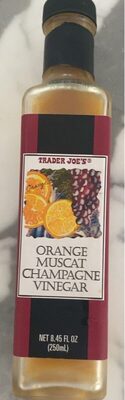 TRADER JOE'S
Orange Muscat Champagne Vinegar
100kcal
0Protein
0Fat
26.7Carbs
CULINARY TOURS
Applewood Smoke Flavored Horseradish Sauce
300kcal
0Protein
26.7Fat
13.3Carbs
Schwartz Brothers Bakery
Italian Sandwich Salad Combo
High in sodium — 43% DV per serving
High in saturated fat — 30% DV per serving
211kcal
8.7Protein
11.5Fat
18.4Carbs
Stonewall Kitchen, LLC
Champagne Reserve Vinegar
0kcal
0Protein
0Fat
0Carbs
Evolution Robotics
Sauce, Piri Piri Red Chili
100kcal
3.3Protein
3.3Fat
16.7Carbs
Evolution Robotics
Green Chili Piri Piri
83kcal
0Protein
3.3Fat
13.3Carbs
SoFine Food
Vinaigrette, Champagne
571kcal
0Protein
64.3Fat
7.1Carbs
Ahold USA, Inc.
Roasted Brussels Sprouts With Parmesan
High in sodium — 20% DV per serving
100kcal
4.3Protein
4.3Fat
10.7Carbs
Cincinnati Preserving Company
White BBQ Sauce
367kcal
0Protein
36.7Fat
6.7Carbs
Bread & Circus Inc.
Whole Foods Market, Quinoa, Lemon Cranberry, Lemon Cranberry
179kcal
3.6Protein
9.3Fat
20.7Carbs
Target Stores
Wing Sauce, Mango Chile
38kcal
0Protein
0Fat
7.7Carbs
Ahold USA, Inc.
Grilled Chicken Breast
High in sodium — 21% DV per serving
86kcal
9.3Protein
2.9Fat
5.7Carbs
TRADER JOE'S
Orange Muscat Champagne Vinegar
100kcal
0Protein
0Fat
26.7Carbs
CULINARY TOURS
Applewood Smoke Flavored Horseradish Sauce
300kcal
0Protein
26.7Fat
13.3Carbs
Schwartz Brothers Bakery
Italian Sandwich Salad Combo
High in sodium — 43% DV per serving
High in saturated fat — 30% DV per serving
211kcal
8.7Protein
11.5Fat
18.4Carbs
Stonewall Kitchen, LLC
Champagne Reserve Vinegar
0kcal
0Protein
0Fat
0Carbs
Evolution Robotics
Sauce, Piri Piri Red Chili
100kcal
3.3Protein
3.3Fat
16.7Carbs
Evolution Robotics
Green Chili Piri Piri
83kcal
0Protein
3.3Fat
13.3Carbs
SoFine Food
Vinaigrette, Champagne
571kcal
0Protein
64.3Fat
7.1Carbs
Ahold USA, Inc.
Roasted Brussels Sprouts With Parmesan
High in sodium — 20% DV per serving
100kcal
4.3Protein
4.3Fat
10.7Carbs
Cincinnati Preserving Company
White BBQ Sauce
367kcal
0Protein
36.7Fat
6.7Carbs
Bread & Circus Inc.
Whole Foods Market, Quinoa, Lemon Cranberry, Lemon Cranberry
179kcal
3.6Protein
9.3Fat
20.7Carbs
Target Stores
Wing Sauce, Mango Chile
38kcal
0Protein
0Fat
7.7Carbs
Ahold USA, Inc.
Grilled Chicken Breast
High in sodium — 21% DV per serving
86kcal
9.3Protein
2.9Fat
5.7Carbs