Champagne
What is Champagne?
Champagne is a sparkling wine originating from the Champagne region of France. It is made from a blend of Chardonnay, Pinot Noir, and Pinot Meunier grapes, using a secondary fermentation process in the bottle that creates its characteristic bubbles.
Is Champagne gluten-free?
As a wine, it is typically gluten-free.
Is Champagne a major allergen?
Champagne itself is not derived from any of the 9 FDA major allergens.
What is Champagne used for?
While primarily known as a beverage, champagne extract or flavoring can be used in food products to impart a distinct, slightly sweet, and fruity flavor.
Is Champagne safe?
Champagne is generally recognized as safe (GRAS) by the FDA when used as a flavoring.
Why it's used
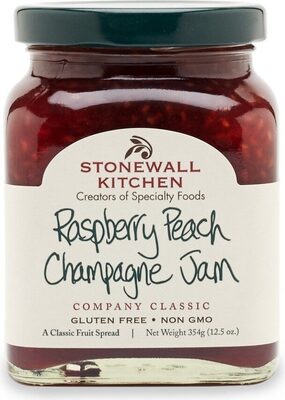
While primarily known as a beverage, champagne extract or flavoring can be used in food products to impart a distinct, slightly sweet, and fruity flavor. It is sometimes used in sauces, dressings, jams, and even desserts to add a sophisticated taste profile.
Health notes
Champagne is generally recognized as safe (GRAS) by the FDA when used as a flavoring. The alcohol content in champagne is a factor for health considerations, and moderate consumption is advised by health organizations. JECFA has evaluated alcoholic beverages, and EFSA has evaluated flavorings. Evidence regarding moderate alcohol consumption and health is mixed, with some studies suggesting potential benefits while others highlight risks.
Allergen info
Champagne itself is not derived from any of the 9 FDA major allergens. As a wine, it is typically gluten-free.
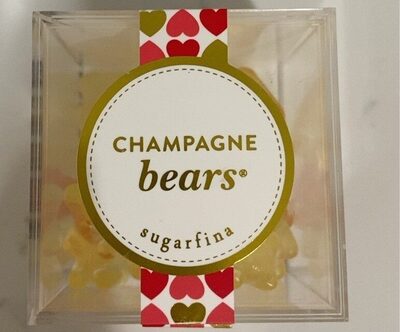
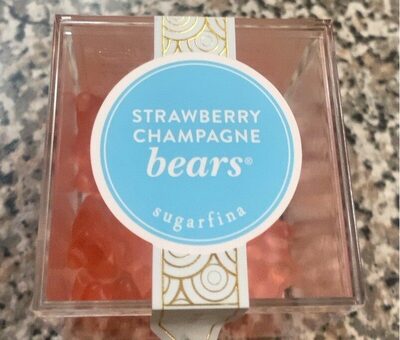
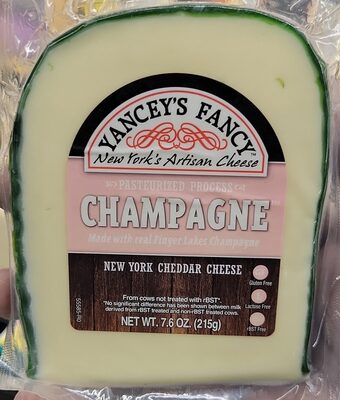
Foods that contain Champagne
Compare products →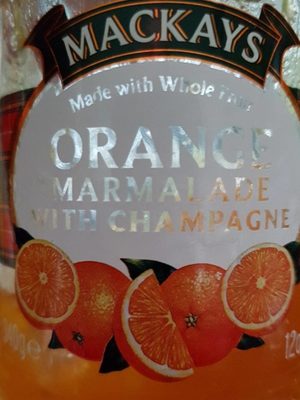
Learn more
Auto-generated content. This description was generated automatically and is pending editorial review. Inaccuracies are possible. Found a mistake? Contact us.