Chinkiang Vinegar
What is Chinkiang Vinegar?
Chinkiang vinegar, also known as Chinese black vinegar, is a dark, complex, and aromatic vinegar made from grains like glutinous rice, barley, and peas. It is fermented and aged, giving it a deep, malty, and slightly sweet flavor profile.
Is Chinkiang Vinegar vegan?
Chinkiang Vinegar is not animal-derived. Products that contain it can still include other animal-derived ingredients, so check the full ingredient list.
Is Chinkiang Vinegar gluten-free?
However, if made with barley or wheat, it may contain gluten.
Is Chinkiang Vinegar a major allergen?
Chinkiang vinegar is not a major allergen.
What is Chinkiang Vinegar used for?
Manufacturers use Chinkiang vinegar primarily as a flavoring agent in Chinese cuisine.
Is Chinkiang Vinegar safe?
Chinkiang vinegar is generally recognized as safe (GRAS) by the FDA for use as a food ingredient.
Why it's used
Manufacturers use Chinkiang vinegar primarily as a flavoring agent in Chinese cuisine. Its rich, tangy, and slightly sweet taste makes it a key ingredient in marinades, dipping sauces, stir-fries, and noodle dishes.
Health notes
Chinkiang vinegar is generally recognized as safe (GRAS) by the FDA for use as a food ingredient. Like other vinegars, it is acidic and may help regulate blood sugar levels, though evidence is mixed and more research is needed. The WHO has not specifically evaluated Chinkiang vinegar, but generally considers acetic acid, the main component of vinegar, to be safe when consumed in typical food amounts.
Allergen info
Chinkiang vinegar is not a major allergen. However, if made with barley or wheat, it may contain gluten.
Foods that contain Chinkiang Vinegar
Compare products →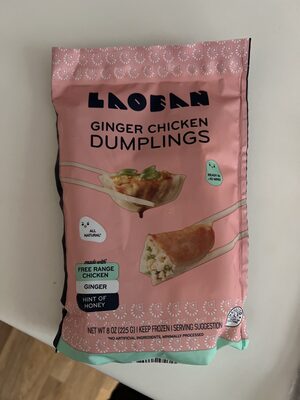 Laoban Dumplings LLC
Ginger Chicken Dumplings, Ginger; Chicken
182kcal
10.6Protein
6.8Fat
21.2Carbs
Laoban Dumplings LLC
Ginger Chicken Dumplings, Ginger; Chicken
182kcal
10.6Protein
6.8Fat
21.2Carbs
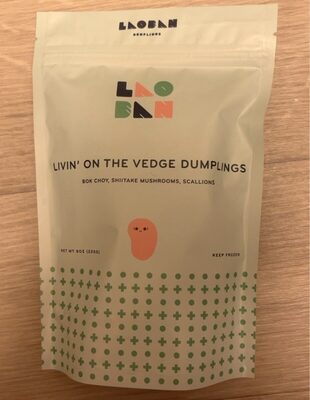 Laoban Dumplings LLC
Livin' On The Vedge Dumplings
212kcal
7.6Protein
3.0Fat
42.4Carbs
Cook! SF
Dan Dan Noodle Bowl Beyond Meat Beef Crumbles Tossed With Ramen In A Spicy Chinese Sesame Dressing., Dan Dan Noodle
High in sodium — 60% DV per serving
228kcal
10.1Protein
7.7Fat
28.9Carbs
Lwin Family Co.
Dan Dan Noodle Bowl
High in sodium — 60% DV per serving
228kcal
10.1Protein
7.7Fat
28.9Carbs
Laoban Dumplings LLC
Livin' On The Vedge Dumplings
212kcal
7.6Protein
3.0Fat
42.4Carbs
Cook! SF
Dan Dan Noodle Bowl Beyond Meat Beef Crumbles Tossed With Ramen In A Spicy Chinese Sesame Dressing., Dan Dan Noodle
High in sodium — 60% DV per serving
228kcal
10.1Protein
7.7Fat
28.9Carbs
Lwin Family Co.
Dan Dan Noodle Bowl
High in sodium — 60% DV per serving
228kcal
10.1Protein
7.7Fat
28.9Carbs
Learn more
Auto-generated content. This description was generated automatically and is pending editorial review. Inaccuracies are possible. Found a mistake? Contact us.