Chocolate Processes With Alkali
Auto-generated content. This description was generated automatically and is pending editorial review. Inaccuracies are possible. Found a mistake? Contact us.
What it is
Chocolate processed with alkali, also known as Dutch-process cocoa, is made by treating cocoa beans or cocoa powder with an alkaline solution. This process neutralizes the acidity of the cocoa, making it less bitter and darker in color. It also helps cocoa powder dissolve more easily in liquids.
Why it's used
Manufacturers add alkali-processed cocoa to foods to create a richer, smoother chocolate flavor and a darker color. It is commonly used in baked goods like cookies and cakes, as well as in chocolate bars, ice cream, and beverages.
Health notes
Chocolate processed with alkali is generally recognized as safe (GRAS) by the FDA for use in food. The alkali treatment can reduce the levels of certain flavanols, which are naturally occurring compounds in cocoa that have antioxidant properties. Regulatory bodies like JECFA and EFSA have evaluated cocoa and cocoa products, but specific evaluations of the alkali process's impact on health at typical consumption levels are not widely detailed.
Allergen info
Chocolate is not derived from any of the 9 FDA major allergens. It does not contain gluten.
Products containing Chocolate Processes With Alkali
Compare products →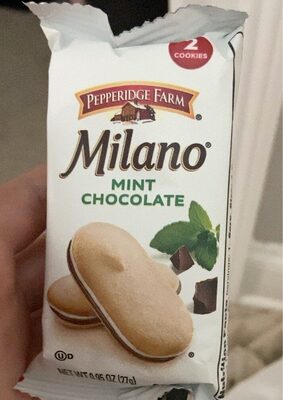 Pepperidge Farm, Inc.
Mint Chocolate Milano Cookies, Mint Chocolate
High in saturated fat — 23% DV per serving
481kcal
3.7Protein
25.9Fat
59.3Carbs
Nestle USA Inc.
Fine Chocolate With Pistachios
High in saturated fat — 35% DV per serving
550kcal
7.5Protein
35Fat
50Carbs
Almond Butter Krisp, Almond Butter
High in saturated fat — 40% DV per serving
610kcal
9.8Protein
46.3Fat
39.0Carbs
Mars Chocolate North America LLC
Chocolate Assortment Snowflakes Promises, Milk Chocolate, Dark Chocolate, Milk Chocolate With Caramel
High in saturated fat — 35% DV per serving
526kcal
5.3Protein
31.6Fat
57.9Carbs
Mars Chocolate North America LLC
Dark Chocolate Promises, Dark Chocolate
High in saturated fat — 40% DV per serving
525kcal
5Protein
32.5Fat
60Carbs
Pepperidge Farm, Inc.
Mint Chocolate Milano Cookies, Mint Chocolate
High in saturated fat — 23% DV per serving
481kcal
3.7Protein
25.9Fat
59.3Carbs
Nestle USA Inc.
Fine Chocolate With Pistachios
High in saturated fat — 35% DV per serving
550kcal
7.5Protein
35Fat
50Carbs
Almond Butter Krisp, Almond Butter
High in saturated fat — 40% DV per serving
610kcal
9.8Protein
46.3Fat
39.0Carbs
Mars Chocolate North America LLC
Chocolate Assortment Snowflakes Promises, Milk Chocolate, Dark Chocolate, Milk Chocolate With Caramel
High in saturated fat — 35% DV per serving
526kcal
5.3Protein
31.6Fat
57.9Carbs
Mars Chocolate North America LLC
Dark Chocolate Promises, Dark Chocolate
High in saturated fat — 40% DV per serving
525kcal
5Protein
32.5Fat
60Carbs