Cinnamon Oleoresin
What is Cinnamon Oleoresin?
Cinnamon oleoresin is a concentrated liquid extract made from cinnamon bark. It is produced by extracting the aromatic and flavor compounds from dried cinnamon using a solvent, which is then removed to leave a thick, oily resin.
Is Cinnamon Oleoresin vegan?
Cinnamon Oleoresin is not animal-derived. Products that contain it can still include other animal-derived ingredients, so check the full ingredient list.
Is Cinnamon Oleoresin gluten-free?
It does not contain gluten.
Is Cinnamon Oleoresin a major allergen?
Cinnamon oleoresin is not derived from any of the nine FDA major allergens.
What is Cinnamon Oleoresin used for?
Manufacturers use cinnamon oleoresin to add a strong, natural cinnamon flavor to foods.
Is Cinnamon Oleoresin safe?
Cinnamon oleoresin is generally recognized as safe (GRAS) by the FDA for use as a flavoring agent.
Why it's used
Manufacturers use cinnamon oleoresin to add a strong, natural cinnamon flavor to foods. It is commonly found in baked goods like cakes and pastries, as well as in processed cereals and savory items like pepperoni and cold cuts.
Health notes
Cinnamon oleoresin is generally recognized as safe (GRAS) by the FDA for use as a flavoring agent. JECFA has evaluated cinnamon and its extracts, and EFSA has also assessed flavoring substances. At typical consumption levels, it is not associated with adverse health effects. Research into the health effects of cinnamon compounds is ongoing, but no significant concerns have been raised regarding its use as a flavoring.
Allergen info
Cinnamon oleoresin is not derived from any of the nine FDA major allergens. It does not contain gluten.
Foods that contain Cinnamon Oleoresin
Compare products →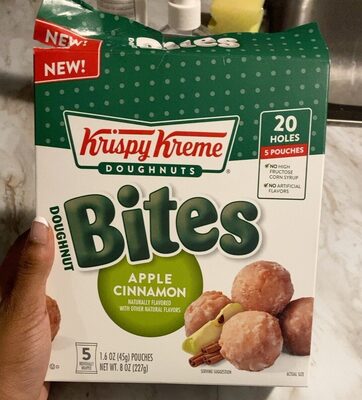 Krispy Kreme Doughnut Corporation
Apple Cinnamon Doughnut Bites, Apple Cinnamon
High in saturated fat — 30% DV per serving
High in added sugars — 24% DV per serving
489kcal
4.4Protein
31.1Fat
46.7Carbs
Kellogg Company US
Kellogg's Cereal Breakfast Bar Apple Cinnamon 30.5oz 24ct
378kcal
5.3Protein
8.4Fat
75.5Carbs
Kellogg Company US
Kellogg's Cereal Breakfast Bar Apple Cinnamon 30.5oz
378kcal
5.3Protein
8.4Fat
75.5Carbs
Kellogg Company US
Kellogg's Cereal Breakfast Bar Apple Cinnamon 1.27oz
378kcal
5.3Protein
8.4Fat
75.5Carbs
Kellogg Company US
Kellogg's Cereal Breakfast Bar Apple Cinnamon
378kcal
5.3Protein
8.4Fat
75.5Carbs
Fully Cooked With Natural Juices Polish Ham
High in sodium — 32% DV per serving
89kcal
17.9Protein
1.8Fat
0Carbs
Krispy Kreme Doughnut Corporation
Apple Cinnamon Doughnut Bites, Apple Cinnamon
High in saturated fat — 30% DV per serving
High in added sugars — 24% DV per serving
489kcal
4.4Protein
31.1Fat
46.7Carbs
Kellogg Company US
Kellogg's Cereal Breakfast Bar Apple Cinnamon 30.5oz 24ct
378kcal
5.3Protein
8.4Fat
75.5Carbs
Kellogg Company US
Kellogg's Cereal Breakfast Bar Apple Cinnamon 30.5oz
378kcal
5.3Protein
8.4Fat
75.5Carbs
Kellogg Company US
Kellogg's Cereal Breakfast Bar Apple Cinnamon 1.27oz
378kcal
5.3Protein
8.4Fat
75.5Carbs
Kellogg Company US
Kellogg's Cereal Breakfast Bar Apple Cinnamon
378kcal
5.3Protein
8.4Fat
75.5Carbs
Fully Cooked With Natural Juices Polish Ham
High in sodium — 32% DV per serving
89kcal
17.9Protein
1.8Fat
0Carbs
Learn more
Auto-generated content. This description was generated automatically and is pending editorial review. Inaccuracies are possible. Found a mistake? Contact us.