Coagulans
What is Coagulans?
Coagulans, also known as Bacillus coagulans, is a probiotic microorganism. It is a type of bacteria that can produce lactic acid. It is often grown in a lab through fermentation processes.
Is Coagulans vegan?
Coagulans is not animal-derived. Products that contain it can still include other animal-derived ingredients, so check the full ingredient list.
Is Coagulans gluten-free?
It does not contain gluten.
Is Coagulans a major allergen?
Coagulans is not derived from any of the nine FDA major allergens.
What is Coagulans used for?
Manufacturers add coagulans to foods and beverages as a source of probiotics, which are beneficial live microorganisms.
Is Coagulans safe?
Coagulans is generally recognized as safe (GRAS) by the FDA for use in food.
Why it's used
Manufacturers add coagulans to foods and beverages as a source of probiotics, which are beneficial live microorganisms. It is often found in products marketed for digestive health, such as certain drinks, dressings, and teas.
Health notes
Coagulans is generally recognized as safe (GRAS) by the FDA for use in food. Probiotics like coagulans are studied for their potential to support gut health. Regulatory bodies like the European Food Safety Authority (EFSA) have evaluated probiotics, but specific health claims are subject to strict regulations. Research on the specific benefits of coagulans is ongoing.
Allergen info
Coagulans is not derived from any of the nine FDA major allergens. It does not contain gluten.
Foods that contain Coagulans
Compare products →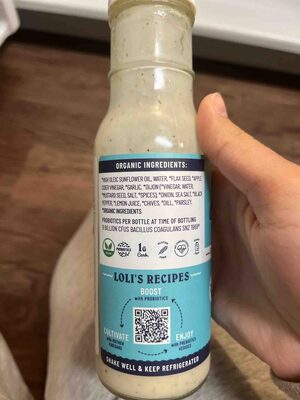
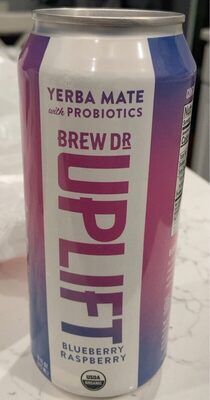
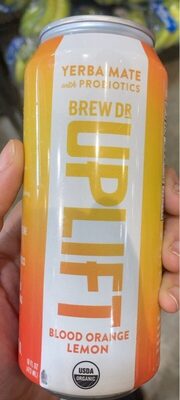
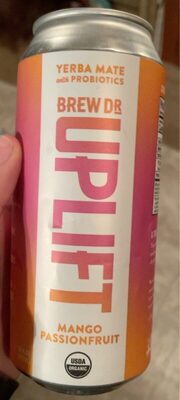
Auto-generated content. This description was generated automatically and is pending editorial review. Inaccuracies are possible. Found a mistake? Contact us.