Coating Crumbs
What is Coating Crumbs?
Coating crumbs are typically made from dried and ground bread, crackers, or other baked goods. They are often seasoned and used to create a crispy outer layer on fried or baked foods.
Is Coating Crumbs vegan?
Coating Crumbs is not animal-derived. Products that contain it can still include other animal-derived ingredients, so check the full ingredient list.
Is Coating Crumbs gluten-free?
Gluten, derived from wheat, is also a common component.
Is Coating Crumbs a major allergen?
Coating crumbs may contain wheat, which is one of the 9 FDA major allergens.
What is Coating Crumbs used for?
Manufacturers add coating crumbs to provide a desirable texture and flavor to foods like chicken, fish, and vegetables.
Is Coating Crumbs safe?
Coating crumbs are generally recognized as safe by the FDA when used as a food ingredient.
Why it's used
Manufacturers add coating crumbs to provide a desirable texture and flavor to foods like chicken, fish, and vegetables. They are commonly found in breading mixes, seasoned coatings, and as a component in some stuffing or casserole recipes.
Health notes
Coating crumbs are generally recognized as safe by the FDA when used as a food ingredient. They are primarily a source of carbohydrates. While not a major health concern at typical consumption levels, they can contribute to overall calorie and carbohydrate intake.
Allergen info
Coating crumbs may contain wheat, which is one of the 9 FDA major allergens. Gluten, derived from wheat, is also a common component.
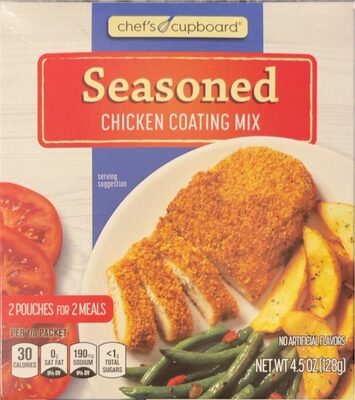
Foods that contain Coating Crumbs
Compare products →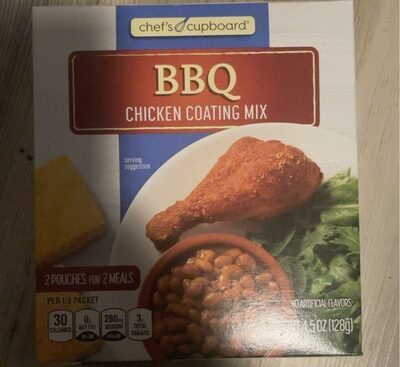
Learn more
Auto-generated content. This description was generated automatically and is pending editorial review. Inaccuracies are possible. Found a mistake? Contact us.