Cocoa Buttons
What is Cocoa Buttons?
Cocoa buttons are small, disc-shaped pieces made from chocolate or cocoa solids. They are created by melting chocolate and then pouring it into small, button-like molds, or by cutting a sheet of chocolate into small pieces. They are often used as a decorative element or a convenient way to add chocolate flavor and texture.
Is Cocoa Buttons a major allergen?
Cocoa buttons are not derived from any of the 9 FDA major allergens.
What is Cocoa Buttons used for?
Manufacturers use cocoa buttons to add chocolate flavor and visual appeal to a variety of foods.
Is Cocoa Buttons safe?
Cocoa buttons are generally recognized as safe (GRAS) by the FDA when used as a food ingredient.
Why it's used
Manufacturers use cocoa buttons to add chocolate flavor and visual appeal to a variety of foods. They are commonly found in snack mixes, trail mixes, and baked goods like cookies and muffins. Their small size makes them easy to incorporate and distribute evenly.
Health notes
Cocoa buttons are generally recognized as safe (GRAS) by the FDA when used as a food ingredient. They are primarily composed of cocoa solids, sugar, and fat, and their health impact is similar to that of other chocolate products. The FDA has not set specific upper intake limits for cocoa or chocolate ingredients. While cocoa contains flavanols, which have been studied for potential health benefits, these are often reduced during processing. No specific regulatory evaluations by JECFA or EFSA are noted for cocoa buttons as a distinct ingredient.
Allergen info
Cocoa buttons are not derived from any of the 9 FDA major allergens. However, they are often manufactured in facilities that process tree nuts, peanuts, milk, soy, or wheat, leading to a risk of cross-contamination.
Foods that contain Cocoa Buttons
Compare products →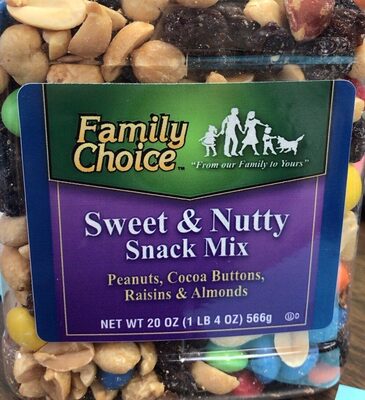 Ruckers Wholesale and Service
Sweet & Nutty Peanuts, Cocoa Buttons, Raisins & Almonds Snack Mix, Sweet & Nutty
500kcal
13.3Protein
30Fat
50Carbs
World Foods Products Inc.
Value Snacks, Almond Fruit Delight
500kcal
10.7Protein
21.4Fat
60.7Carbs
Associated Wholesale Grocers, Inc.
Mountain With Peanuts, Raisins, Cocoa Buttons And Almonds Trail Mix, Mountain
500kcal
16.7Protein
33.3Fat
43.3Carbs
Ruckers Wholesale and Service
Sweet & Nutty Peanuts, Cocoa Buttons, Raisins & Almonds Snack Mix, Sweet & Nutty
500kcal
13.3Protein
30Fat
50Carbs
World Foods Products Inc.
Value Snacks, Almond Fruit Delight
500kcal
10.7Protein
21.4Fat
60.7Carbs
Associated Wholesale Grocers, Inc.
Mountain With Peanuts, Raisins, Cocoa Buttons And Almonds Trail Mix, Mountain
500kcal
16.7Protein
33.3Fat
43.3Carbs
Auto-generated content. This description was generated automatically and is pending editorial review. Inaccuracies are possible. Found a mistake? Contact us.