Coconut Blossom Sugar
What is Coconut Blossom Sugar?
Coconut blossom sugar is a sweetener made from the sap of coconut palm flowers. The sap is harvested, heated to evaporate most of the water, and then processed into granulated sugar.
Is Coconut Blossom Sugar vegan?
Coconut Blossom Sugar is not animal-derived. Products that contain it can still include other animal-derived ingredients, so check the full ingredient list.
Is Coconut Blossom Sugar gluten-free?
It does not contain gluten.
Is Coconut Blossom Sugar a major allergen?
Coconut blossom sugar is not derived from any of the 9 FDA major allergens.
What is Coconut Blossom Sugar used for?
Manufacturers use coconut blossom sugar primarily as a sweetener.
Is Coconut Blossom Sugar safe?
Coconut blossom sugar is generally recognized as safe (GRAS) by the FDA for use as a sweetener.
Why it's used
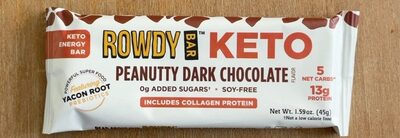
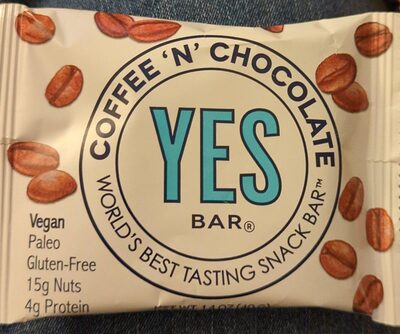
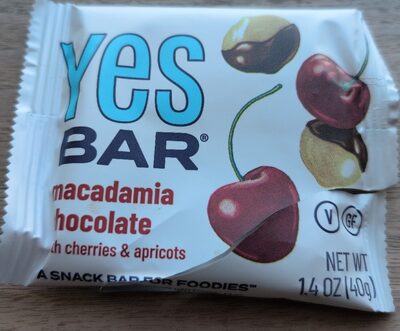
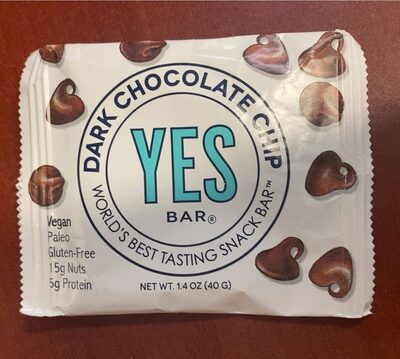
Manufacturers use coconut blossom sugar primarily as a sweetener. It has a flavor profile often described as similar to brown sugar or caramel. It appears in a variety of sweet foods like snack bars, chocolate, and cookies.
Health notes
Coconut blossom sugar is generally recognized as safe (GRAS) by the FDA for use as a sweetener. Like other sugars, it provides calories and carbohydrates. JECFA has evaluated coconut blossom sugar and established an Acceptable Daily Intake (ADI). Evidence on its impact on blood sugar compared to other sugars is mixed, with some studies suggesting a slightly lower glycemic response, while others show little difference.
Allergen info
Coconut blossom sugar is not derived from any of the 9 FDA major allergens. It does not contain gluten.
Foods that contain Coconut Blossom Sugar
Compare products →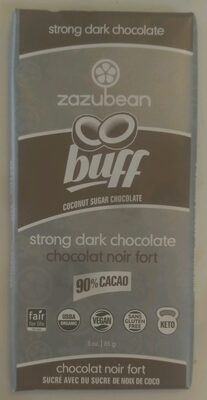

Learn more
Auto-generated content. This description was generated automatically and is pending editorial review. Inaccuracies are possible. Found a mistake? Contact us.