Color Preservative
What is Color Preservative?
Color preservatives are a category of food additives used to maintain or enhance the color of food products. They can be synthetic or naturally derived compounds. Their production methods vary widely depending on the specific chemical.
Is Color Preservative a major allergen?
Color preservatives themselves are not typically derived from the major allergens.
What is Color Preservative used for?
These additives are used to prevent color fading caused by exposure to light, air, or processing.
Is Color Preservative safe?
In the U.S., many color preservatives are approved by the FDA as food additives or are Generally Recognized As Safe (GRAS).
Why it's used
These additives are used to prevent color fading caused by exposure to light, air, or processing. They help ensure that the food product maintains its appealing appearance throughout its shelf life. They are commonly found in processed meats, baked goods, beverages, and snacks.
Health notes
In the U.S., many color preservatives are approved by the FDA as food additives or are Generally Recognized As Safe (GRAS). International bodies like JECFA and EFSA have evaluated many of these substances. While generally considered safe at typical consumption levels, some individuals may experience sensitivities to certain synthetic colorants. Research into the long-term effects of some synthetic colors is ongoing.
Allergen info
Color preservatives themselves are not typically derived from the major allergens. However, it is always advisable to check the ingredient list of the final food product for any potential cross-contamination or inclusion of other allergenic ingredients.
Foods that contain Color Preservative
Compare products →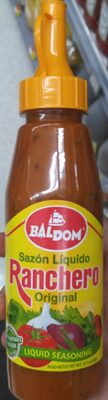
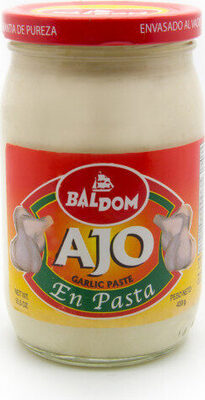
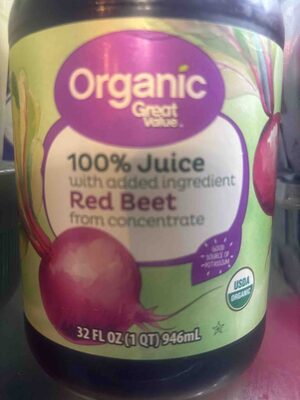
Learn more
Auto-generated content. This description was generated automatically and is pending editorial review. Inaccuracies are possible. Found a mistake? Contact us.