Colored With FD&C Red #3
What is Colored With FD&C Red #3?
FD&C Red #3 is a synthetic color additive, also known as erythrosine. It is a chemical compound produced in laboratories, not derived from natural sources. It provides a bright cherry-red color to foods.
Is Colored With FD&C Red #3 vegan?
Colored With FD&C Red #3 is not animal-derived. Products that contain it can still include other animal-derived ingredients, so check the full ingredient list.
Is Colored With FD&C Red #3 a major allergen?
Not a major allergen.
What is Colored With FD&C Red #3 used for?
Manufacturers add FD&C Red #3 to foods to impart a red color.
Is Colored With FD&C Red #3 safe?
The FDA revoked the approval of FD&C Red #3 for use in food in January 2025, with manufacturers having until January 2027 to comply.
Why it's used
Manufacturers add FD&C Red #3 to foods to impart a red color. It is commonly found in items like canned fruits, candies, and some baked goods, enhancing their visual appeal.
Health notes
The FDA revoked the approval of FD&C Red #3 for use in food in January 2025, with manufacturers having until January 2027 to comply. This action was taken under the Delaney Clause of the Federal Food, Drug, and Cosmetic Act because the additive was found to cause cancer in male rats in laboratory studies; however, the FDA stated this finding is not relevant to human risk. California's Food Safety Act (AB 418) also bans Red #3 in food starting in 2027. JECFA has evaluated erythrosine and set an acceptable daily intake.
Allergen info
Not a major allergen.
Foods that contain Colored With FD&C Red #3
Compare products →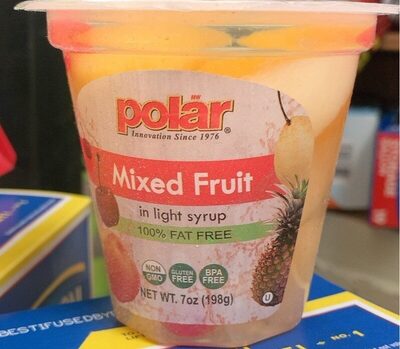
Learn more
Auto-generated content. This description was generated automatically and is pending editorial review. Inaccuracies are possible. Found a mistake? Contact us.