Colored With Organic Concentrate
What is Colored With Organic Concentrate?
This ingredient is a coloring derived from fruits and vegetables. The specific source varies but can include ingredients like beet, carrot, or spirulina. These natural concentrates are used to add or restore color to foods.
Is Colored With Organic Concentrate vegan?
Colored With Organic Concentrate is not animal-derived. Products that contain it can still include other animal-derived ingredients, so check the full ingredient list.
Is Colored With Organic Concentrate a major allergen?
Not a major allergen.
What is Colored With Organic Concentrate used for?
Manufacturers use organic concentrates to provide color to food products.
Is Colored With Organic Concentrate safe?
Organic concentrates are generally recognized as safe (GRAS) by the FDA for use as food colorants.
Why it's used
Manufacturers use organic concentrates to provide color to food products. They are often found in candies, beverages, and baked goods where visual appeal is important.
Health notes
Organic concentrates are generally recognized as safe (GRAS) by the FDA for use as food colorants. They are derived from natural sources and are not associated with the same concerns as some artificial colors. International bodies like JECFA have evaluated many natural colorants, but specific evaluations for 'organic concentrate' as a general term are not always available. Evidence does not suggest adverse health effects from typical consumption levels.
Allergen info
Not a major allergen. Depending on the specific fruit or vegetable used, there is a very small possibility of cross-reactivity for individuals with severe allergies to those specific plants, but this is not a common concern.
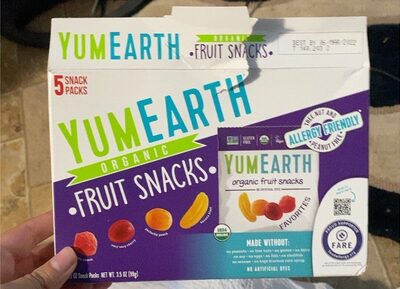
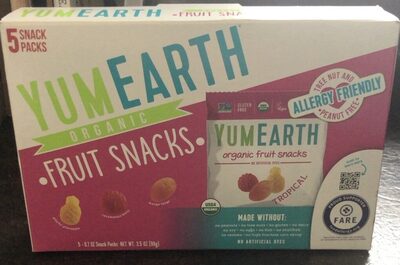
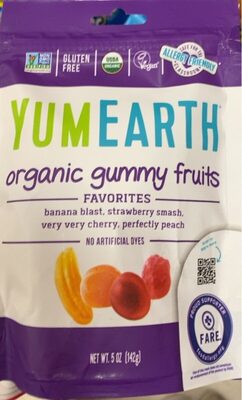
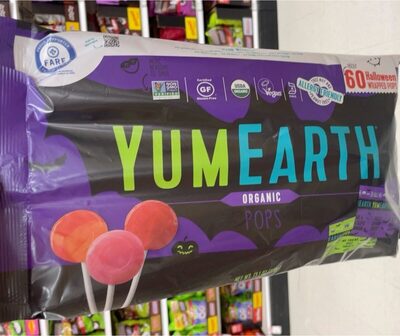
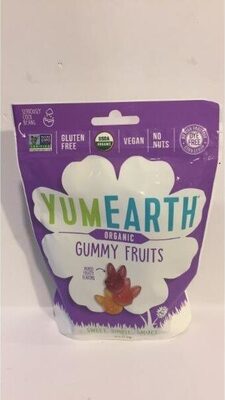
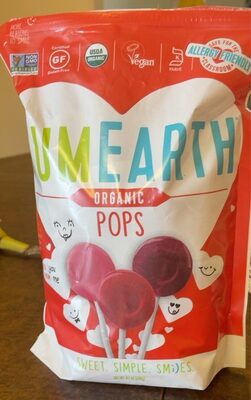
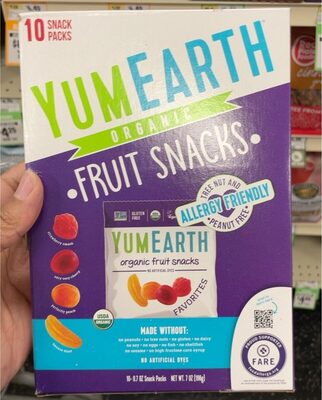
Foods that contain Colored With Organic Concentrate
Compare products →




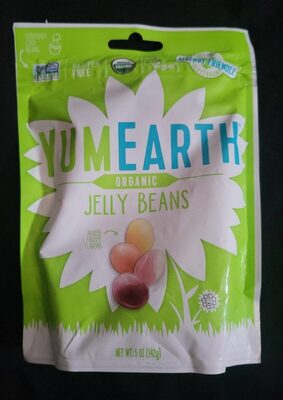

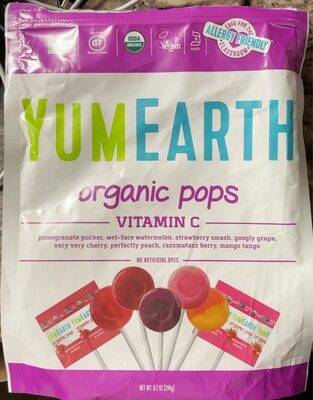
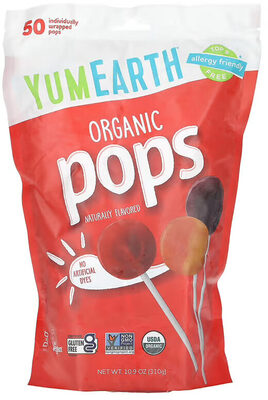
Learn more
Auto-generated content. This description was generated automatically and is pending editorial review. Inaccuracies are possible. Found a mistake? Contact us.