Confectionary Shellac
What is Confectionary Shellac?
Confectionery shellac is a refined form of shellac, a natural resin secreted by the female lac bug (Kerria lacca) native to India and Thailand. The resin is collected, purified, and processed to remove impurities, resulting in a food-grade product.
Is Confectionary Shellac vegan?
No. Confectionary Shellac is animal-derived, so it is not vegan.
Is Confectionary Shellac gluten-free?
It does not contain gluten.
Is Confectionary Shellac a major allergen?
Shellac is not derived from any of the nine FDA major allergens.
What is Confectionary Shellac used for?
Manufacturers use confectionery shellac as a glazing agent to provide a shiny appearance and protective coating to candies, chocolates, and nuts.
Is Confectionary Shellac safe?
In the U.S., confectionery shellac is generally recognized as safe (GRAS) by the FDA for use as a food additive.
Why it's used
Manufacturers use confectionery shellac as a glazing agent to provide a shiny appearance and protective coating to candies, chocolates, and nuts. It helps prevent sticking, adds a smooth texture, and can extend shelf life by reducing moisture loss.
Health notes
In the U.S., confectionery shellac is generally recognized as safe (GRAS) by the FDA for use as a food additive. It is approved as a "confectionery glaze" under 21 CFR 172.515. International bodies like JECFA have evaluated shellac and established acceptable daily intake levels. At typical consumption levels, it is not associated with adverse health effects.
Allergen info
Shellac is not derived from any of the nine FDA major allergens. It does not contain gluten.
Foods that contain Confectionary Shellac
Compare products →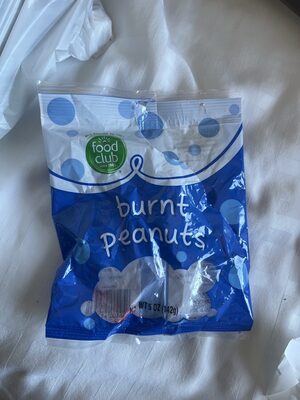

Auto-generated content. This description was generated automatically and is pending editorial review. Inaccuracies are possible. Found a mistake? Contact us.