Confectioner's Glaze Lac Resin
What is Confectioner's Glaze Lac Resin?
Confectioner's glaze is a food-grade shellac, a natural resin produced by the lac insect (Kerria lacca). The resin is collected, purified, and then dissolved in alcohol to create the glaze.
Is Confectioner's Glaze Lac Resin vegan?
No. Confectioner's Glaze Lac Resin is animal-derived, so it is not vegan.
Is Confectioner's Glaze Lac Resin gluten-free?
It is not derived from any of the 9 FDA major allergens and does not contain gluten.
Is Confectioner's Glaze Lac Resin a major allergen?
Not a major allergen.
What is Confectioner's Glaze Lac Resin used for?
Manufacturers use confectioner's glaze to provide a hard, shiny, protective coating on foods like candies, baked goods, and nuts.
Is Confectioner's Glaze Lac Resin safe?
Confectioner's glaze is generally recognized as safe (GRAS) by the FDA for use in food.
Why it's used
Manufacturers use confectioner's glaze to provide a hard, shiny, protective coating on foods like candies, baked goods, and nuts. This coating helps prevent moisture loss, adds visual appeal, and can protect delicate decorations.
Health notes
Confectioner's glaze is generally recognized as safe (GRAS) by the FDA for use in food. It is a natural product and is not associated with significant health concerns when consumed in typical amounts. Regulatory bodies like JECFA and EFSA have evaluated shellac, and it is permitted for use in many countries.
Allergen info
Not a major allergen. It is not derived from any of the 9 FDA major allergens and does not contain gluten.
Foods that contain Confectioner's Glaze Lac Resin
Compare products →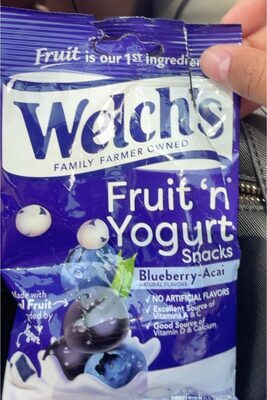 The Promotion In Motion Companies, Inc.
Blueberry-Acai Fruit 'N Yogurt Snacks, Blueberry-Acai
High in added sugars — 32% DV per serving
367kcal
0Protein
6.7Fat
73.3Carbs
Lofthouse Foods
Patriotic Frosted Mini Sugar Cookies
400kcal
3.3Protein
13.3Fat
70Carbs
Nabisco Food Company
Tropical Fruit & Nut Trail Mix Roasted Peanuts, Banana Chips, Raisins, Yogurt Covered Raisins, Pineapple, Cashews, Tropical Fruit & Nut
500kcal
13.3Protein
30Fat
53.3Carbs
Nestle USA Inc.
Sweet & Salty California Raisins Covered In Chocolate Snack Mix, Sweet & Salty
High in saturated fat — 40% DV per serving
High in added sugars — 22% DV per serving
543kcal
8.6Protein
37.1Fat
45.7Carbs
The Promotion In Motion Companies, Inc.
Blueberry-Acai Fruit 'N Yogurt Snacks, Blueberry-Acai
High in added sugars — 32% DV per serving
367kcal
0Protein
6.7Fat
73.3Carbs
Lofthouse Foods
Patriotic Frosted Mini Sugar Cookies
400kcal
3.3Protein
13.3Fat
70Carbs
Nabisco Food Company
Tropical Fruit & Nut Trail Mix Roasted Peanuts, Banana Chips, Raisins, Yogurt Covered Raisins, Pineapple, Cashews, Tropical Fruit & Nut
500kcal
13.3Protein
30Fat
53.3Carbs
Nestle USA Inc.
Sweet & Salty California Raisins Covered In Chocolate Snack Mix, Sweet & Salty
High in saturated fat — 40% DV per serving
High in added sugars — 22% DV per serving
543kcal
8.6Protein
37.1Fat
45.7Carbs
Auto-generated content. This description was generated automatically and is pending editorial review. Inaccuracies are possible. Found a mistake? Contact us.