Conola Oil
Auto-generated content. This description was generated automatically and is pending editorial review. Inaccuracies are possible. Found a mistake? Contact us.
What it is
Canola oil is a vegetable oil made from the seeds of the canola plant. The plant is a cultivar of rapeseed, bred to have low levels of erucic acid and glucosinolates. It is processed to extract the oil, which is then refined, bleached, and deodorized.
Why it's used
Canola oil is used as a cooking oil and as an ingredient in many processed foods. Its neutral flavor and relatively high smoke point make it versatile for baking, frying, and sautéing. It is often found in salad dressings, mayonnaise, baked goods, and snack foods.
Health notes
Canola oil is generally recognized as safe (GRAS) by the FDA for use in food. It is a source of monounsaturated and polyunsaturated fats, including omega-3 fatty acids. JECFA has evaluated canola oil and established an acceptable daily intake. Some research suggests canola oil may have anti-inflammatory properties, while other studies have raised questions about its processing and potential effects on health. Evidence is mixed and ongoing.
Allergen info
Canola oil is not derived from any of the nine FDA major allergens. It does not contain gluten.
Products containing Conola Oil
Compare products →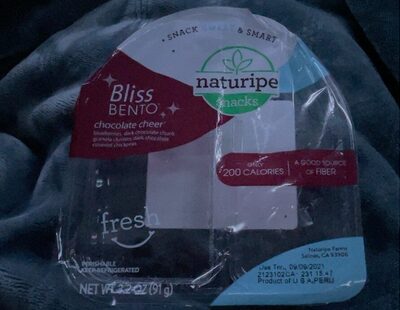 Naturipe Farms, LLC
Chocolate Cheer Blueberries, Dark Chocolate Chunk Granola Clusters, Dark Chocolate Covered Chickpeas Snacks, Chocolate Cheer
220kcal
5.5Protein
8.8Fat
33.0Carbs
Sophisticated Chocolates Mfg.
Milk Chocolate S'Mores Bark, Milk Chocolate
543kcal
8.6Protein
28.6Fat
62.9Carbs
Naturipe Farms, LLC
Chocolate Cheer Blueberries, Dark Chocolate Chunk Granola Clusters, Dark Chocolate Covered Chickpeas Snacks, Chocolate Cheer
220kcal
5.5Protein
8.8Fat
33.0Carbs
Sophisticated Chocolates Mfg.
Milk Chocolate S'Mores Bark, Milk Chocolate
543kcal
8.6Protein
28.6Fat
62.9Carbs