An Emulsifier
What is An Emulsifier?
An emulsifier is a substance that helps mix two liquids that normally do not blend, such as oil and water. It works by stabilizing small droplets of one liquid within the other. Emulsifiers can be naturally occurring or synthetically produced.
Is An Emulsifier a major allergen?
Emulsifiers can be derived from various sources, including soy, egg, milk, or plant oils.
What is An Emulsifier used for?
In food, emulsifiers are added to create smooth, consistent textures and to prevent separation.
Is An Emulsifier safe?
Many emulsifiers commonly used in food are considered Generally Recognized As Safe (GRAS) by the FDA.
Why it's used
In food, emulsifiers are added to create smooth, consistent textures and to prevent separation. They are commonly found in products like mayonnaise, salad dressings, chocolate, ice cream, baked goods, and processed meats to improve stability and mouthfeel.
Health notes
Many emulsifiers commonly used in food are considered Generally Recognized As Safe (GRAS) by the FDA. International bodies like the Joint FAO/WHO Expert Committee on Food Additives (JECFA) and the European Food Safety Authority (EFSA) evaluate individual emulsifiers for safety, often setting acceptable daily intake levels. Some research has explored the potential effects of certain emulsifiers on gut health, but the evidence is mixed and more studies are needed to understand their impact at typical consumption levels.
Allergen info
Emulsifiers can be derived from various sources, including soy, egg, milk, or plant oils. Therefore, whether a specific emulsifier is an allergen depends on its origin. Consumers should check ingredient labels for specific allergen information.
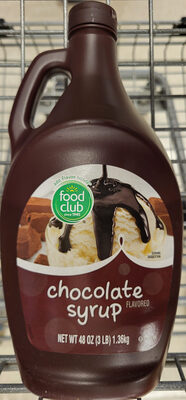
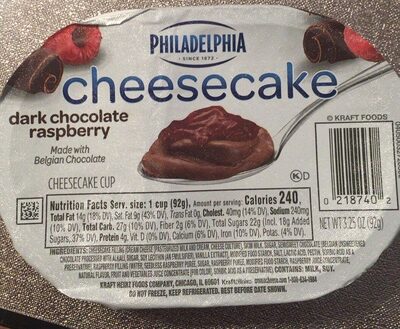
Foods that contain An Emulsifier
Compare products →

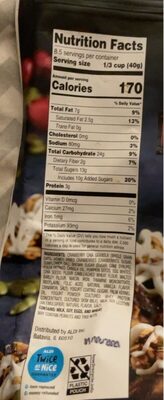
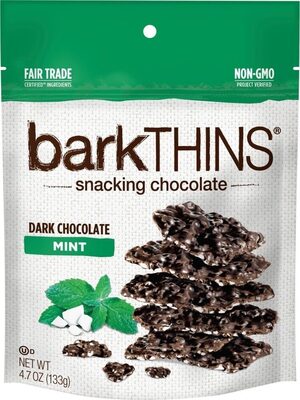
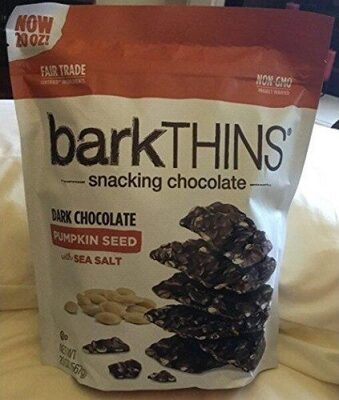

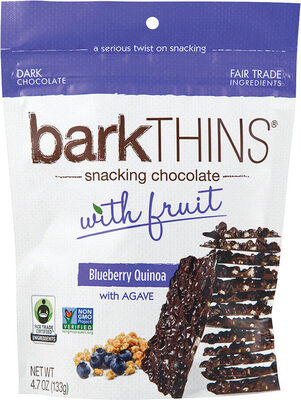

Learn more
Auto-generated content. This description was generated automatically and is pending editorial review. Inaccuracies are possible. Found a mistake? Contact us.