Pecans
Auto-generated content. This description was generated automatically and is pending editorial review. Inaccuracies are possible. Found a mistake? Contact us.
What it is
Pecans are edible nuts that grow on pecan trees, which are native to North America. They are a type of tree nut, characterized by their smooth, brown shell and rich, buttery flavor. The nuts are typically harvested, shelled, and then can be eaten raw, roasted, or used in various culinary applications.
Why it's used
Manufacturers add pecans to foods primarily for their distinctive flavor, crunchy texture, and nutritional value. They are frequently used in baked goods like pies, cookies, and cakes, as well as in snack mixes, cereals, and salads. Pecans also contribute healthy fats and fiber to food products.
Health notes
Pecans are considered a whole food and are generally recognized as safe (GRAS) by the FDA when consumed as food. They are a good source of healthy fats, fiber, and several vitamins and minerals. There are no notable controversies regarding the safety of pecans themselves, though like all calorie-dense foods, they should be consumed in moderation as part of a balanced diet. JECFA and EFSA do not typically evaluate whole foods like pecans for additive safety.
Allergen info
Pecans are a tree nut, which is one of the nine major food allergens identified by the FDA. Products containing pecans must clearly state their presence on the label.
Products containing Pecans
Compare products →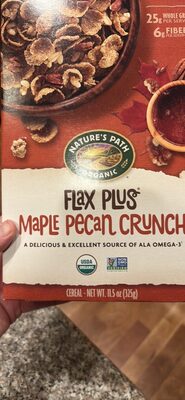 NATURE'S PATH
Maple Pecan Crunch
400kcal
10.9Protein
12.7Fat
69.1Carbs
NATURE'S PATH
Maple Pecan Crunch
400kcal
10.9Protein
12.7Fat
69.1Carbs
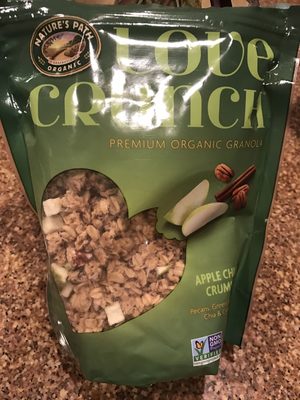 NATURE'S PATH ORGANIC
Premium Organic Granola
467kcal
10Protein
13.3Fat
73.3Carbs
SPARTAN
Spartan, Deluxe Mixed Nuts, Salted
607kcal
17.9Protein
53.6Fat
21.4Carbs
SPARTAN
Spartan, Lightly Salted Mixed Nuts
607kcal
21.4Protein
53.6Fat
17.9Carbs
SPARTAN
Spartan, Roasted & Salted Deluxe Mix
639kcal
16.7Protein
55.6Fat
22.2Carbs
WHOLE FOODS MARKET
Whole Foods Market, Glazed Pecans
600kcal
8Protein
56Fat
28Carbs
NATURE'S PATH ORGANIC
Premium Organic Granola
467kcal
10Protein
13.3Fat
73.3Carbs
SPARTAN
Spartan, Deluxe Mixed Nuts, Salted
607kcal
17.9Protein
53.6Fat
21.4Carbs
SPARTAN
Spartan, Lightly Salted Mixed Nuts
607kcal
21.4Protein
53.6Fat
17.9Carbs
SPARTAN
Spartan, Roasted & Salted Deluxe Mix
639kcal
16.7Protein
55.6Fat
22.2Carbs
WHOLE FOODS MARKET
Whole Foods Market, Glazed Pecans
600kcal
8Protein
56Fat
28Carbs