Contains Less Than 2%: Beef Stock
Auto-generated content. This description was generated automatically and is pending editorial review. Inaccuracies are possible. Found a mistake? Contact us.
What it is
Beef stock is a liquid made by simmering beef bones, meat, and vegetables (like carrots, celery, and onions) in water. The process extracts flavor and nutrients from the ingredients, creating a savory base for many dishes. It is typically strained before use.
Why it's used
Manufacturers use beef stock primarily to add a rich, savory beef flavor and depth to foods. It serves as a foundational ingredient in many recipes, enhancing the taste of soups, stews, sauces, gravies, and marinades. It is often found in seasoning mixes and prepared meals.
Health notes
Beef stock is generally recognized as safe (GRAS) by the FDA when used as a food ingredient. It is a source of protein and some minerals. Regulatory bodies like JECFA and EFSA have evaluated similar broth and stock products, but specific health evaluations for 'beef stock' as a standalone ingredient with defined limits are not commonly cited for typical dietary intake. Evidence does not suggest adverse health effects from consuming beef stock in typical amounts found in food.
Allergen info
Beef stock is not derived from any of the 9 major allergens. It does not contain gluten.
Products containing Contains Less Than 2%: Beef Stock
Compare products →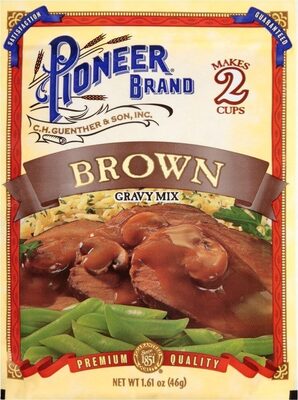 Pioneer Flour Mills
Gravy Mix, Brown
333kcal
0Protein
0Fat
66.7Carbs
Pioneer Flour Mills
Gravy Mix, Brown
333kcal
0Protein
0Fat
66.7Carbs