Contains Less Than 2% Dextrose
What is Contains Less Than 2% Dextrose?
Dextrose is a simple sugar that is chemically identical to glucose. It is typically derived from corn starch through a process called enzymatic hydrolysis, where enzymes break down the starch into individual sugar molecules.
Is Contains Less Than 2% Dextrose vegan?
Contains Less Than 2% Dextrose is not animal-derived. Products that contain it can still include other animal-derived ingredients, so check the full ingredient list.
Is Contains Less Than 2% Dextrose a major allergen?
Not a major allergen.
What is Contains Less Than 2% Dextrose used for?
Manufacturers add dextrose primarily as a sweetener, but it also serves as an energy source, a browning agent in baked goods, and a fermentable sugar for yeast.
Is Contains Less Than 2% Dextrose safe?
Dextrose is generally recognized as safe (GRAS) by the FDA for use in food.
Why it's used
Manufacturers add dextrose primarily as a sweetener, but it also serves as an energy source, a browning agent in baked goods, and a fermentable sugar for yeast. It is commonly found in processed meats, baked goods, sports drinks, and confectionery.
Health notes
Dextrose is generally recognized as safe (GRAS) by the FDA for use in food. As a simple sugar, its consumption contributes to the total intake of added sugars. The 2025-2030 Dietary Guidelines for Americans recommend no amount of added sugars, and at most 10 grams of added sugars per meal. JECFA has evaluated glucose, which is chemically identical to dextrose, and did not set a numeric limit (ADI not specified) as it is a macronutrient.
Allergen info
Not a major allergen. Dextrose is typically derived from corn.
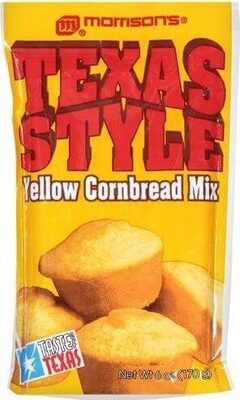
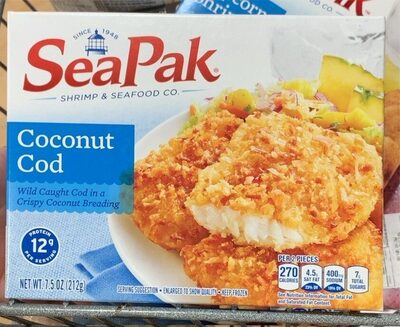
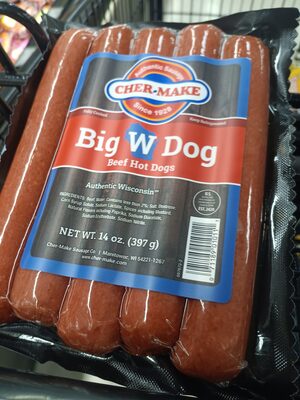
Foods that contain Contains Less Than 2% Dextrose
Compare products →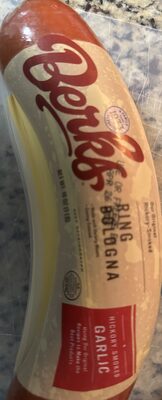
Learn more
Auto-generated content. This description was generated automatically and is pending editorial review. Inaccuracies are possible. Found a mistake? Contact us.