Cooked In Lime Water
What is Cooked In Lime Water?
Corn treated with an alkaline solution, typically calcium hydroxide (lime). This process, known as nixtamalization, softens the corn, improves its flavor and aroma, and makes its nutrients more available. It is a traditional method used for processing corn for masa, the dough used in tortillas and tamales.
Is Cooked In Lime Water vegan?
Cooked In Lime Water is not animal-derived. Products that contain it can still include other animal-derived ingredients, so check the full ingredient list.
Is Cooked In Lime Water gluten-free?
Corn is not one of the nine major allergens, nor does it contain gluten.
Is Cooked In Lime Water a major allergen?
Not a major allergen.
What is Cooked In Lime Water used for?
Nixtamalization is essential for making authentic masa, which is the base for tortillas, tamales, and other corn-based Mexican foods.
Is Cooked In Lime Water safe?
Nixtamalization significantly increases the bioavailability of niacin (vitamin B3) in corn, helping to prevent pellagra, a deficiency disease.
Why it's used
Nixtamalization is essential for making authentic masa, which is the base for tortillas, tamales, and other corn-based Mexican foods. The process enhances the texture and flavor of the corn, making it suitable for dough preparation.
Health notes
Nixtamalization significantly increases the bioavailability of niacin (vitamin B3) in corn, helping to prevent pellagra, a deficiency disease. The FDA considers calcium hydroxide to be Generally Recognized As Safe (GRAS) for use in food. JECFA has evaluated calcium hydroxide and established an acceptable daily intake.
Allergen info
Not a major allergen. Corn is not one of the nine major allergens, nor does it contain gluten.
Foods that contain Cooked In Lime Water
Compare products →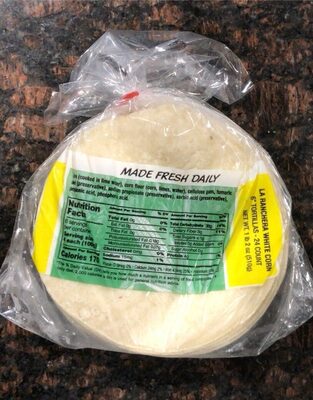
Learn more
Auto-generated content. This description was generated automatically and is pending editorial review. Inaccuracies are possible. Found a mistake? Contact us.