Corn Maltodextrine
What is Corn Maltodextrine?
Corn maltodextrin is a carbohydrate derived from corn starch. It is produced through a process called hydrolysis, where corn starch is broken down into smaller chains of glucose molecules. This results in a white, powdery substance that is easily digestible.
Is Corn Maltodextrine vegan?
Corn Maltodextrine is not animal-derived. Products that contain it can still include other animal-derived ingredients, so check the full ingredient list.
Is Corn Maltodextrine gluten-free?
It does not contain gluten.
Is Corn Maltodextrine a major allergen?
Corn maltodextrin is not derived from any of the 9 major allergens.
What is Corn Maltodextrine used for?
Manufacturers add corn maltodextrin to foods as a thickener, stabilizer, or bodying agent.
Is Corn Maltodextrine safe?
Corn maltodextrin is generally recognized as safe (GRAS) by the FDA for use in food.
Why it's used
Manufacturers add corn maltodextrin to foods as a thickener, stabilizer, or bodying agent. It can also be used as a bulking agent or carrier for other ingredients. You'll find it in processed foods like sauces, gravies, baked goods, and snack foods.
Health notes
Corn maltodextrin is generally recognized as safe (GRAS) by the FDA for use in food. It is a carbohydrate and is digested like other starches, providing energy. While it has a high glycemic index, meaning it can raise blood sugar levels quickly, its impact depends on the amount consumed and the overall meal composition. JECFA and EFSA have evaluated maltodextrins and found them to be safe.
Allergen info
Corn maltodextrin is not derived from any of the 9 major allergens. It does not contain gluten.
Foods that contain Corn Maltodextrine
Compare products →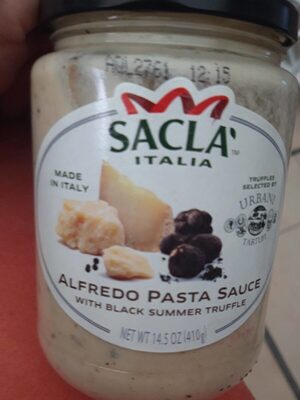 F.Lli Sacla' Spa
Italia Alfredo Pasta Sauce
High in sodium — 31% DV per serving
High in saturated fat — 35% DV per serving
136kcal
1.6Protein
10.4Fat
7.2Carbs
F.Lli Sacla' Spa
Italia Alfredo Pasta Sauce
High in sodium — 31% DV per serving
High in saturated fat — 35% DV per serving
136kcal
1.6Protein
10.4Fat
7.2Carbs
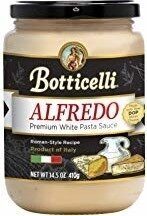 Botticelli Foods Corp.
Alfredo Premium White Pasta Sauce
133kcal
1.7Protein
10Fat
8.3Carbs
Goya Foods, Inc.
Tomato Clam Cocktail Mixer
High in sodium — 31% DV per serving
25kcal
0.4Protein
0Fat
5.4Carbs
F.Lli Sacla' Spa
Alfredo Roman Recipe White Pasta Sauce, Alfredo Roman Recipe
High in sodium — 33% DV per serving
High in saturated fat — 35% DV per serving
128kcal
1.6Protein
10.4Fat
7.2Carbs
Botticelli Foods Corp.
Alfredo Premium White Pasta Sauce
133kcal
1.7Protein
10Fat
8.3Carbs
Goya Foods, Inc.
Tomato Clam Cocktail Mixer
High in sodium — 31% DV per serving
25kcal
0.4Protein
0Fat
5.4Carbs
F.Lli Sacla' Spa
Alfredo Roman Recipe White Pasta Sauce, Alfredo Roman Recipe
High in sodium — 33% DV per serving
High in saturated fat — 35% DV per serving
128kcal
1.6Protein
10.4Fat
7.2Carbs
Learn more
Auto-generated content. This description was generated automatically and is pending editorial review. Inaccuracies are possible. Found a mistake? Contact us.