Corn Puffs
What is Corn Puffs?
Corn puffs are a puffed snack made from cornmeal. The cornmeal is mixed with water and cooked under pressure, then extruded through a die and cut into shapes. The extrusion process causes the moisture inside the cornmeal to rapidly expand, creating the light, airy, puffed texture.
Is Corn Puffs vegan?
Corn Puffs is not animal-derived. Products that contain it can still include other animal-derived ingredients, so check the full ingredient list.
Is Corn Puffs gluten-free?
It does not contain gluten.
Is Corn Puffs a major allergen?
Corn is not one of the 9 major allergens recognized by the FDA.
What is Corn Puffs used for?
Corn puffs are often used as a base for snacks, providing a crunchy texture and a neutral flavor that can be seasoned or coated.
Is Corn Puffs safe?
Corn is a grain and a common food ingredient.
Why it's used
Corn puffs are often used as a base for snacks, providing a crunchy texture and a neutral flavor that can be seasoned or coated. They are frequently found in snack mixes, coated in chocolate or cheese flavors, or used as a base for savory snacks.
Health notes
Corn is a grain and a common food ingredient. It is generally recognized as safe (GRAS) by the FDA for use in food. No specific health concerns are typically associated with the consumption of corn puffs in moderation as part of a balanced diet. Regulatory bodies like JECFA and EFSA have evaluated corn and its derivatives, generally considering them safe for consumption.
Allergen info
Corn is not one of the 9 major allergens recognized by the FDA. It does not contain gluten.
Foods that contain Corn Puffs
Compare products →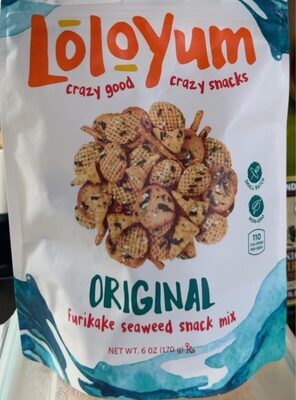 One Organic LLC
Original Furikake Seaweed Snack Mix, Original
393kcal
7.1Protein
12.5Fat
64.3Carbs
One Organic LLC
Original Furikake Seaweed Snack Mix, Original
393kcal
7.1Protein
12.5Fat
64.3Carbs
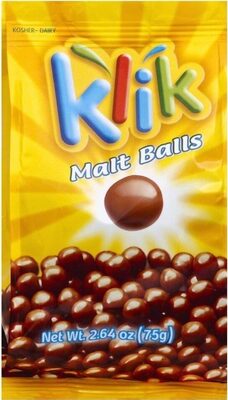 Rose Of Galilee Chocolat/candy
Balls Milk Chocolate Coated Corn Puffs, Milk Chocolate
High in saturated fat — 50% DV per serving
507kcal
8Protein
22.7Fat
65.3Carbs
Israel Edible Products Ltd.
Balls Milk Chocolate Coated Corn Puffs, Milk Chocolate
High in saturated fat — 20% DV per serving
500kcal
6.7Protein
23.3Fat
66.7Carbs
Rose Of Galilee Chocolat/candy
Balls Milk Chocolate Coated Corn Puffs, Milk Chocolate
High in saturated fat — 50% DV per serving
507kcal
8Protein
22.7Fat
65.3Carbs
Israel Edible Products Ltd.
Balls Milk Chocolate Coated Corn Puffs, Milk Chocolate
High in saturated fat — 20% DV per serving
500kcal
6.7Protein
23.3Fat
66.7Carbs
Learn more
Auto-generated content. This description was generated automatically and is pending editorial review. Inaccuracies are possible. Found a mistake? Contact us.