Crackling Candy
What is Crackling Candy?
Crackling candy, also known as popping candy, is a confection made from a small amount of carbon dioxide and bicarbonate under pressure. When the candy dissolves in the mouth, the gas is released, creating a popping or crackling sensation.
Is Crackling Candy gluten-free?
It does not contain gluten.
Is Crackling Candy a major allergen?
Crackling candy is not derived from any of the nine FDA major allergens.
What is Crackling Candy used for?
Manufacturers add crackling candy for its unique sensory effect, providing a fun and surprising texture.
Is Crackling Candy safe?
Crackling candy is generally recognized as safe (GRAS) by the FDA for use in food.
Why it's used
Manufacturers add crackling candy for its unique sensory effect, providing a fun and surprising texture. It is often used as a topping or inclusion in a variety of sweet products, including ice cream, yogurt, popcorn, and novelty candies.
Health notes
Crackling candy is generally recognized as safe (GRAS) by the FDA for use in food. The ingredients are typically sugar, lactose, corn syrup, and artificial flavorings. While generally considered safe in typical amounts, excessive consumption of sugary candies can contribute to health issues associated with high sugar intake. International bodies like JECFA have evaluated similar food additives.
Allergen info
Crackling candy is not derived from any of the nine FDA major allergens. It does not contain gluten.
Foods that contain Crackling Candy
Compare products →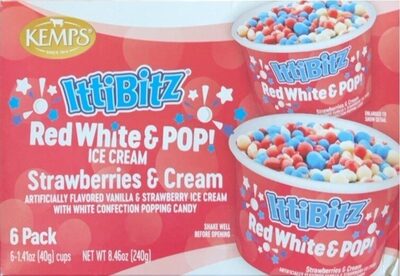
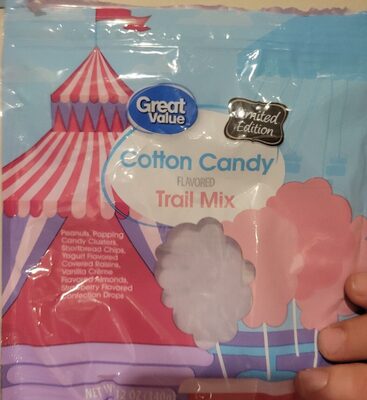
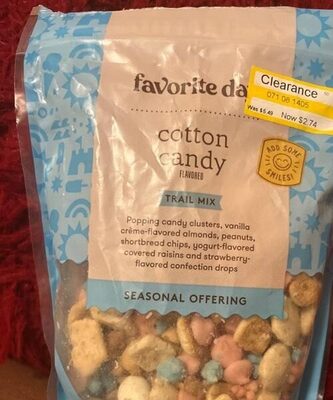
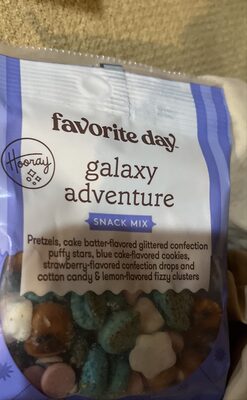
Auto-generated content. This description was generated automatically and is pending editorial review. Inaccuracies are possible. Found a mistake? Contact us.