Crushed Pretzels
What is Crushed Pretzels?
Crushed pretzels are simply pretzels that have been broken into small pieces. Pretzels are a type of baked bread product, traditionally shaped into a knot, made from dough that is shaped, allowed to rise, and then baked. They are typically made from flour, water, and yeast, with salt as a common topping.
Is Crushed Pretzels vegan?
Crushed Pretzels is not animal-derived. Products that contain it can still include other animal-derived ingredients, so check the full ingredient list.
Is Crushed Pretzels gluten-free?
Crushed pretzels are derived from wheat and therefore contain gluten.
What is Crushed Pretzels used for?
Manufacturers use crushed pretzels to add a crunchy texture and salty flavor to a variety of foods.
Is Crushed Pretzels safe?
Crushed pretzels are generally considered safe for consumption as part of a balanced diet.
Why it's used
Manufacturers use crushed pretzels to add a crunchy texture and salty flavor to a variety of foods. They are often incorporated into candy bars, chocolate coatings, ice cream toppings, and as a component in seasoned coatings or mixes.
Health notes
Crushed pretzels are generally considered safe for consumption as part of a balanced diet. They are primarily a source of carbohydrates and sodium. The U.S. Food and Drug Administration (FDA) considers ingredients like those found in pretzels to be safe when used as intended. While specific evaluations of 'crushed pretzels' as a distinct ingredient by bodies like JECFA or EFSA are not typically documented, the basic components of pretzels are widely consumed and studied.
Allergen info
Crushed pretzels are derived from wheat and therefore contain gluten. Wheat is one of the 9 FDA major allergens.
Foods that contain Crushed Pretzels
Compare products →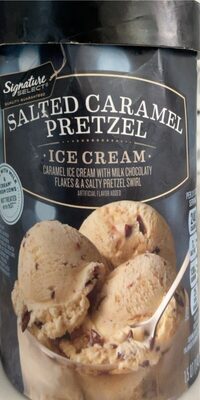 Safeway, Inc.
Salted Caramel Pretzel Caramel Ice Cream With Milk Chocolaty Flakes & A Salty Pretzel Swirl, Salted Caramel Pretzel
High in saturated fat — 30% DV per serving
High in added sugars — 36% DV per serving
256kcal
3.3Protein
13.3Fat
32.2Carbs
Kingston Marketing Co
Dark Chocolate Bark With Caramel Flavored Swirl Pretzels & Pink Himalayan Sea Salt, Caramel Flavored Swirl Pretzels & Pink Himalayan Sea Salt
High in saturated fat — 35% DV per serving
452kcal
4.8Protein
28.6Fat
61.9Carbs
ACH Food Companies, Inc.
Crunchy Panko Seasoned Coating Mix
353kcal
11.8Protein
8.8Fat
64.7Carbs
Palmer Candy Company
Sea Salt Caramel Dark Chocolately Pretzel Bark Drizzled With Caramel & Sprinkled With Sea Salt, Sea Salt Caramel
High in saturated fat — 40% DV per serving
High in added sugars — 30% DV per serving
500kcal
3.3Protein
30Fat
63.3Carbs
Safeway, Inc.
Salted Caramel Pretzel Caramel Ice Cream With Milk Chocolaty Flakes & A Salty Pretzel Swirl, Salted Caramel Pretzel
High in saturated fat — 30% DV per serving
High in added sugars — 36% DV per serving
256kcal
3.3Protein
13.3Fat
32.2Carbs
Kingston Marketing Co
Dark Chocolate Bark With Caramel Flavored Swirl Pretzels & Pink Himalayan Sea Salt, Caramel Flavored Swirl Pretzels & Pink Himalayan Sea Salt
High in saturated fat — 35% DV per serving
452kcal
4.8Protein
28.6Fat
61.9Carbs
ACH Food Companies, Inc.
Crunchy Panko Seasoned Coating Mix
353kcal
11.8Protein
8.8Fat
64.7Carbs
Palmer Candy Company
Sea Salt Caramel Dark Chocolately Pretzel Bark Drizzled With Caramel & Sprinkled With Sea Salt, Sea Salt Caramel
High in saturated fat — 40% DV per serving
High in added sugars — 30% DV per serving
500kcal
3.3Protein
30Fat
63.3Carbs
Learn more
Auto-generated content. This description was generated automatically and is pending editorial review. Inaccuracies are possible. Found a mistake? Contact us.