Crystalized Lemon
Auto-generated content. This description was generated automatically and is pending editorial review. Inaccuracies are possible. Found a mistake? Contact us.
What it is
Crystallized lemon is made from whole lemons, including the peel and pulp. The fruit is typically processed to remove most of the water and then coated with sugar or a sugar substitute. This process preserves the lemon flavor and allows it to be stored for longer periods.
Why it's used
Manufacturers use crystallized lemon primarily to add a concentrated lemon flavor and aroma to foods. It can also contribute a slight sweetness and a chewy texture. It is often found in baked goods like cookies, muffins, and pastries, as well as in sauces and confectionery.
Health notes
Crystallized lemon is generally recognized as safe (GRAS) by the FDA when used as a flavoring agent. It is a source of vitamin C, but the amount can vary depending on the processing. Regulatory bodies like JECFA have evaluated similar lemon-derived ingredients. Evidence does not suggest adverse health effects at typical consumption levels.
Allergen info
Not a major allergen. It is derived from lemons, which are not among the nine major allergens, nor is it typically processed with gluten-containing ingredients.
Products containing Crystalized Lemon
Compare products →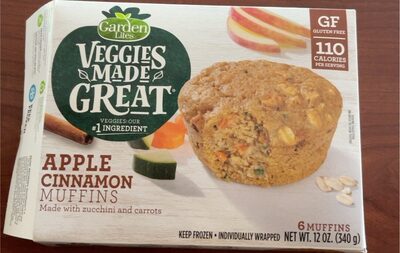 Classic Cooking Inc.
Apple Cinnamon Muffins, Apple Cinnamon
193kcal
5.3Protein
4.4Fat
35.1Carbs
Lifestyle Evolution, Inc.
Lemon Poppy Seed Cookie, Lemon Poppy Seed
High in saturated fat — 25% DV per serving
380kcal
20Protein
16Fat
46Carbs
Lifestyle Evolution, Inc.
Lemon Poppy Seed Protein Cookie, Lemon Poppy Seed
High in saturated fat — 25% DV per serving
380kcal
20Protein
16Fat
46Carbs
Ps Seasoning & Spices Inc.
The Big Kahuna Pineapple Teriyaki Sauce, The Big Kahuna
167kcal
6.7Protein
0Fat
40Carbs
Louisiana Fish Fry Ltd.
Cajun Drip Chili Crush Butter Seasoning Mix, Cajun Drip Chili Crush
278kcal
0Protein
0Fat
55.6Carbs
Classic Cooking Inc.
Apple Cinnamon Muffins, Apple Cinnamon
193kcal
5.3Protein
4.4Fat
35.1Carbs
Lifestyle Evolution, Inc.
Lemon Poppy Seed Cookie, Lemon Poppy Seed
High in saturated fat — 25% DV per serving
380kcal
20Protein
16Fat
46Carbs
Lifestyle Evolution, Inc.
Lemon Poppy Seed Protein Cookie, Lemon Poppy Seed
High in saturated fat — 25% DV per serving
380kcal
20Protein
16Fat
46Carbs
Ps Seasoning & Spices Inc.
The Big Kahuna Pineapple Teriyaki Sauce, The Big Kahuna
167kcal
6.7Protein
0Fat
40Carbs
Louisiana Fish Fry Ltd.
Cajun Drip Chili Crush Butter Seasoning Mix, Cajun Drip Chili Crush
278kcal
0Protein
0Fat
55.6Carbs