Culture Distillates
Auto-generated content. This description was generated automatically and is pending editorial review. Inaccuracies are possible. Found a mistake? Contact us.
What it is
Culture distillates are a byproduct of culturing milk or cream with specific bacteria. These bacteria produce flavor and aroma compounds. The distillates are then separated from the culture, capturing these desirable compounds.
Why it's used
Manufacturers use culture distillates to add a natural, buttery, or cheesy flavor to foods. They are often found in dairy products like butter and cheese, as well as in baked goods, sauces, and gravies where a richer flavor is desired.
Health notes
Culture distillates are generally recognized as safe (GRAS) by the FDA when used as a flavoring substance. They are not typically associated with adverse health effects at the levels found in food. International bodies like JECFA have evaluated similar flavoring substances, but specific evaluations for culture distillates may vary.
Allergen info
Culture distillates are derived from milk, which is one of the FDA's major allergens. Therefore, they are not considered allergen-free.
Products containing Culture Distillates
Compare products →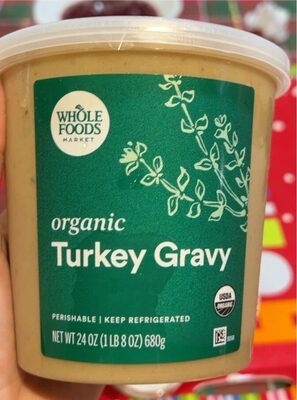 Whole Foods Market, Inc.
Turkey Organic Gravy, Turkey
63kcal
1.6Protein
4.0Fat
6.3Carbs
Whole Foods Market, Inc.
Turkey Organic Gravy, Turkey
63kcal
1.6Protein
4.0Fat
6.3Carbs
 Clover Stornetta Farms, Inc.
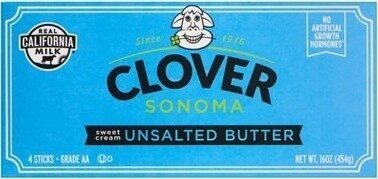
Unsalted Sweet Cream Butter
High in saturated fat — 35% DV per serving
714kcal
0Protein
78.6Fat
0Carbs
Clover Stornetta Farms, Inc.
European Style Unsalted Butter
High in saturated fat — 35% DV per serving
714kcal
0Protein
85.7Fat
0Carbs
Clover Stornetta Farms, Inc.
Organic Unsalted Butter, Sweet Cream
High in saturated fat — 35% DV per serving
714kcal
0Protein
78.6Fat
0Carbs
Clover Stornetta Farms, Inc.
Unsalted Sweet Cream Butter
High in saturated fat — 35% DV per serving
714kcal
0Protein
78.6Fat
0Carbs
Clover Stornetta Farms, Inc.
European Style Unsalted Butter
High in saturated fat — 35% DV per serving
714kcal
0Protein
85.7Fat
0Carbs
Clover Stornetta Farms, Inc.
Organic Unsalted Butter, Sweet Cream
High in saturated fat — 35% DV per serving
714kcal
0Protein
78.6Fat
0Carbs