Cultured Organic Whey
Auto-generated content. This description was generated automatically and is pending editorial review. Inaccuracies are possible. Found a mistake? Contact us.
What it is
Cultured organic whey is a dairy product made from milk. It's the liquid part of milk that remains after cheesemaking, which has been fermented by beneficial bacteria. The 'organic' label means it comes from cows raised according to organic farming standards.
Why it's used
Manufacturers use cultured organic whey as a source of protein and for its flavor-enhancing properties. It can also act as a leavening agent, helping baked goods rise. It is often found in baked goods like crackers and cookies, as well as in some snack products.
Health notes
Cultured organic whey is generally recognized as safe (GRAS) by the FDA. It is a source of protein and other nutrients found in milk. International bodies like JECFA have evaluated whey and its components. Evidence does not suggest adverse health effects from typical dietary intake.
Allergen info
Cultured organic whey is derived from milk, which is one of the nine major allergens identified by the FDA. It does not contain gluten.
Products containing Cultured Organic Whey
Compare products →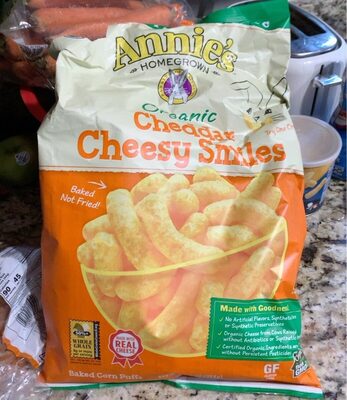 GENERAL MILLS SALES INC.
Annie's Organic Cheddar Cheesy Smiles. Baked Puffed Corn
533kcal
6.7Protein
30Fat
56.7Carbs
GENERAL MILLS SALES INC.
Annie's Organic Cheddar Cheesy Smiles. Baked Puffed Corn
533kcal
6.7Protein
30Fat
56.7Carbs
 GENERAL MILLS SALES INC.
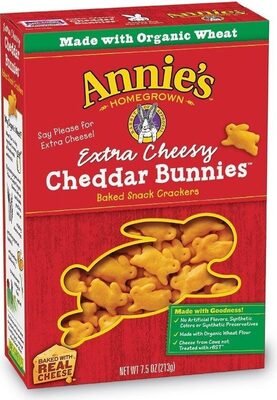
Annie's Organic Extra Cheesy Cheddar Bunnies Baked Snack Crackers
500kcal
10Protein
23.3Fat
60Carbs
GENERAL MILLS SALES INC.
Annie's Organic Extra Cheesy Cheddar Bunnies Baked Snack Crackers
500kcal
10Protein
23.3Fat
60Carbs
 GENERAL MILLS SALES INC.
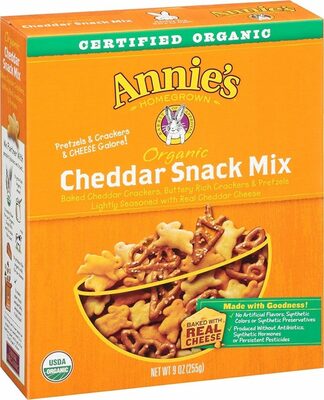
Annie's Organic Cheddar Snack Mix
467kcal
10Protein
20Fat
63.3Carbs
GENERAL MILLS SALES INC.
Annie's Organic Cheddar Snack Mix
467kcal
10Protein
20Fat
63.3Carbs
 GENERAL MILLS SALES INC.
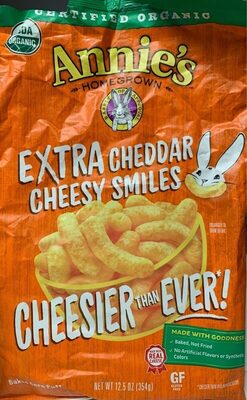
Annie's Organic Extra Cheesy Smiles Baked Puffed Corn
567kcal
6.7Protein
40Fat
50Carbs
GENERAL MILLS SALES INC.
Annie's Organic Extra Cheesy Smiles Baked Puffed Corn
567kcal
6.7Protein
40Fat
50Carbs
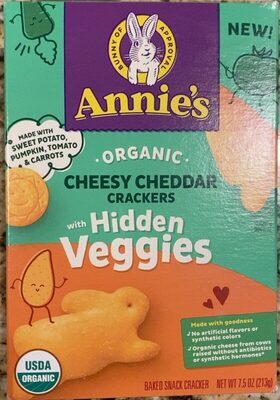 GENERAL MILLS SALES INC.
Annie's Organic Hidden Veggies Cheesy Cheddar Baked Snack Crackers
500kcal
10Protein
26.7Fat
60Carbs
GENERAL MILLS SALES INC.
Annie's Organic Cheddar Snack Mix
High in sodium — 20% DV per serving
486kcal
10Protein
20Fat
64.3Carbs
GENERAL MILLS SALES INC.
Annie's Organic Hidden Veggies Cheesy Cheddar Baked Snack Crackers
500kcal
10Protein
26.7Fat
60Carbs
GENERAL MILLS SALES INC.
Annie's Organic Cheddar Snack Mix
High in sodium — 20% DV per serving
486kcal
10Protein
20Fat
64.3Carbs