Cultured Wheat Flour Blend
Auto-generated content. This description was generated automatically and is pending editorial review. Inaccuracies are possible. Found a mistake? Contact us.
What it is
Cultured wheat flour is a natural antimicrobial ingredient produced by fermenting wheat flour with specific beneficial bacteria, often Lactobacillus species. This fermentation process enhances the flour's natural preservative properties.
Why it's used
Manufacturers use cultured wheat flour blend as a clean-label preservative to extend the shelf life of baked goods and other processed foods. It helps inhibit the growth of mold and bacteria, maintaining product freshness and safety. It is often found in bread, tortillas, and baked snacks.
Health notes
In the U.S., cultured wheat flour is generally recognized as safe (GRAS) by the FDA for use as a food ingredient. It is considered a natural alternative to synthetic preservatives. International bodies like JECFA have evaluated similar cultured ingredients. Evidence suggests it is safe when consumed at typical levels found in food.
Allergen info
Cultured wheat flour is derived from wheat, which is one of the 9 FDA major allergens. It contains gluten.
Products containing Cultured Wheat Flour Blend
Compare products →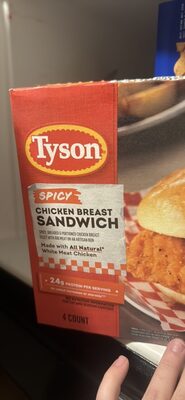 Tyson Foods, Inc.
Spicy Chicken Breast Sandwich, Spicy
High in sodium — 42% DV per serving
276kcal
13.5Protein
8.8Fat
35.3Carbs
Tyson Foods, Inc.
Spicy Chicken Breast Sandwich, Spicy
High in sodium — 42% DV per serving
276kcal
13.5Protein
8.8Fat
35.3Carbs
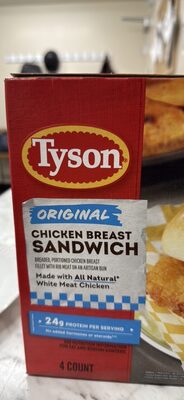 Tyson Foods, Inc.
Original Chicken Breast Sandwich, Original
High in sodium — 33% DV per serving
276kcal
13.5Protein
8.8Fat
35.9Carbs
The Hillshire Brands Company
Spicy Plant Based Sliders, Spicy
High in sodium — 24% DV per serving
274kcal
10.7Protein
9.5Fat
35.7Carbs
Tyson Foods, Inc.
Spicy Chicken Breast Sliders, Spicy
High in sodium — 35% DV per serving
279kcal
12.9Protein
8.8Fat
36.7Carbs
Tyson Foods, Inc.
Original Chicken Breast Sandwich, Original
High in sodium — 33% DV per serving
276kcal
13.5Protein
8.8Fat
35.9Carbs
The Hillshire Brands Company
Spicy Plant Based Sliders, Spicy
High in sodium — 24% DV per serving
274kcal
10.7Protein
9.5Fat
35.7Carbs
Tyson Foods, Inc.
Spicy Chicken Breast Sliders, Spicy
High in sodium — 35% DV per serving
279kcal
12.9Protein
8.8Fat
36.7Carbs