Curcumine
What is Curcumine?
Curcumin is the main active compound found in turmeric, a spice derived from the root of the Curcuma longa plant. It is extracted from turmeric and often purified for use as a food ingredient. Curcumin is responsible for turmeric's vibrant yellow-orange color.
Is Curcumine vegan?
Curcumine is not animal-derived. Products that contain it can still include other animal-derived ingredients, so check the full ingredient list.
Is Curcumine gluten-free?
It does not contain gluten.
Is Curcumine a major allergen?
Curcumin is derived from turmeric, which is not one of the FDA's nine major allergens.
What is Curcumine used for?
Curcumin is primarily used as a natural yellow colorant in foods.
Is Curcumine safe?
Curcumin is generally recognized as safe (GRAS) by the FDA for use as a food colorant.
Why it's used
Curcumin is primarily used as a natural yellow colorant in foods. It can be found in a variety of products, including baked goods, dairy products, beverages, and confectionery, to impart a bright, appealing color. Its use is favored in products seeking natural coloring alternatives.
Health notes
Curcumin is generally recognized as safe (GRAS) by the FDA for use as a food colorant. Both the Joint FAO/WHO Expert Committee on Food Additives (JECFA) and the European Food Safety Authority (EFSA) have evaluated curcumin. While research suggests potential health benefits, such as anti-inflammatory effects, these are typically studied at doses higher than those consumed through food. Evidence regarding its health effects at typical dietary intake levels is still being explored.
Allergen info
Curcumin is derived from turmeric, which is not one of the FDA's nine major allergens. It does not contain gluten.
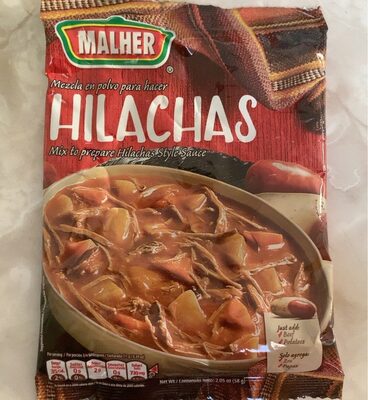
Foods that contain Curcumine
Compare products →
Learn more
Auto-generated content. This description was generated automatically and is pending editorial review. Inaccuracies are possible. Found a mistake? Contact us.