Cured Anchovies
What is Cured Anchovies?
Cured anchovies are small, oily fish that have been preserved through salting and drying. They are a type of small, saltwater fish found in temperate and tropical seas worldwide. The curing process intensifies their flavor and extends their shelf life.
Is Cured Anchovies vegan?
No. Cured Anchovies is animal-derived, so it is not vegan.
Is Cured Anchovies a major allergen?
Anchovies are a fish, which is one of the 9 FDA major allergens.
What is Cured Anchovies used for?
Cured anchovies are primarily used to add a distinct salty, umami flavor to foods.
Is Cured Anchovies safe?
Cured anchovies are a source of protein, omega-3 fatty acids, and sodium.
Why it's used
Cured anchovies are primarily used to add a distinct salty, umami flavor to foods. They are a key ingredient in many savory dishes, especially in Mediterranean cuisine. Common uses include dressings, sauces, pizzas, and pasta dishes.
Health notes
Cured anchovies are a source of protein, omega-3 fatty acids, and sodium. The FDA considers anchovies to be Generally Recognized As Safe (GRAS) when used as a food ingredient. Due to their high sodium content, excessive consumption may be a concern for individuals monitoring their salt intake. JECFA has evaluated anchovy oil, but no specific evaluation for cured anchovies is readily available.
Allergen info
Anchovies are a fish, which is one of the 9 FDA major allergens. People with fish allergies should avoid cured anchovies.
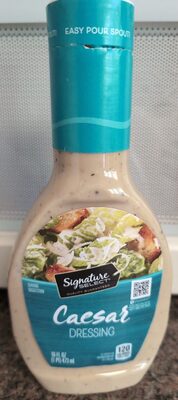
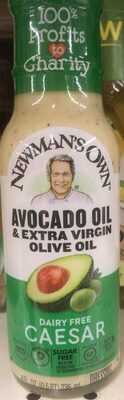
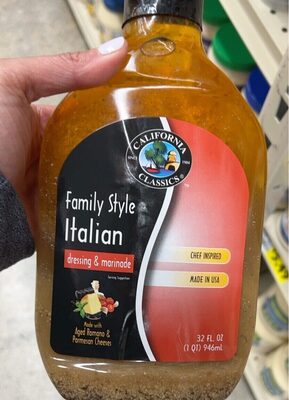
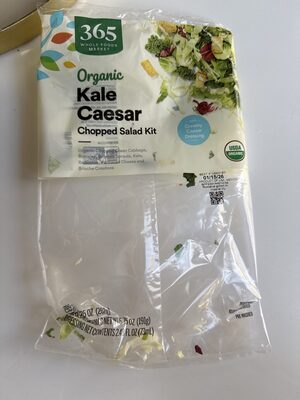
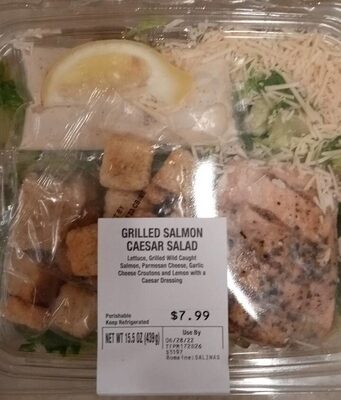
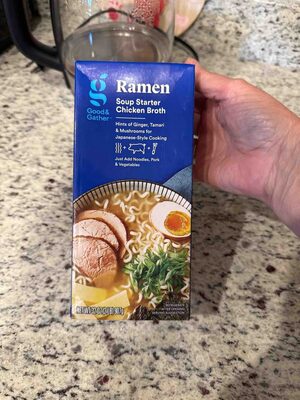
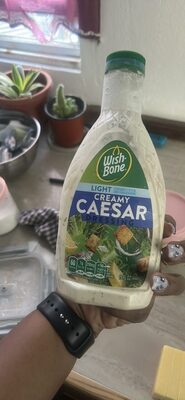
Foods that contain Cured Anchovies
Compare products →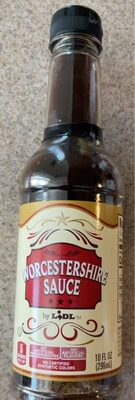
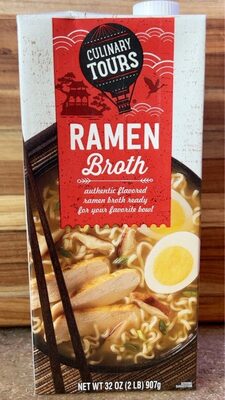
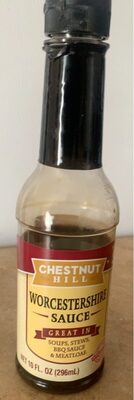
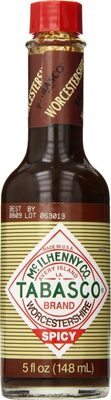
Learn more
Auto-generated content. This description was generated automatically and is pending editorial review. Inaccuracies are possible. Found a mistake? Contact us.