Deheated Mustard
What is Deheated Mustard?
Deheated mustard, also known as "mustard flour" or "prepared mustard," is made from ground mustard seeds that have been heated. This heating process deactivates enzymes that can cause a bitter taste and reduces the pungency of the mustard.
Is Deheated Mustard vegan?
Deheated Mustard is not animal-derived. Products that contain it can still include other animal-derived ingredients, so check the full ingredient list.
Is Deheated Mustard gluten-free?
It does not contain gluten.
Is Deheated Mustard a major allergen?
Mustard is not one of the nine major allergens recognized by the FDA.
What is Deheated Mustard used for?
Manufacturers use deheated mustard primarily as a flavoring agent, adding a mild mustard taste without the strong bite of raw mustard.
Is Deheated Mustard safe?
Deheated mustard is generally recognized as safe (GRAS) by the FDA for use in food.
Why it's used
Manufacturers use deheated mustard primarily as a flavoring agent, adding a mild mustard taste without the strong bite of raw mustard. It is commonly found in sausages, hot dogs, bacon products, salad dressings, and mayonnaise, where it contributes to the overall flavor profile.
Health notes
Deheated mustard is generally recognized as safe (GRAS) by the FDA for use in food. Regulatory bodies like JECFA and EFSA have evaluated mustard and its components, generally considering them safe for consumption at typical levels. There are no widespread health controversies associated with its use in food.
Allergen info
Mustard is not one of the nine major allergens recognized by the FDA. It does not contain gluten.
Foods that contain Deheated Mustard
Compare products →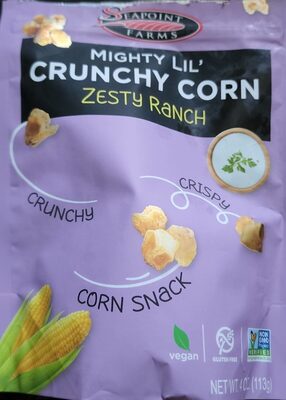
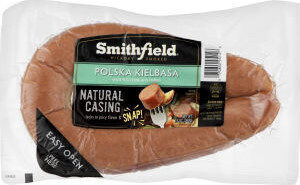
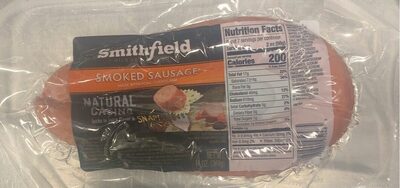
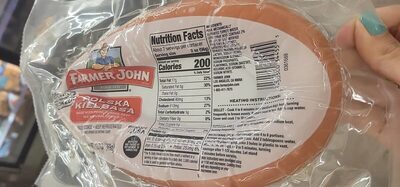
Learn more
Auto-generated content. This description was generated automatically and is pending editorial review. Inaccuracies are possible. Found a mistake? Contact us.