Dehydrated Citrus Peels
Auto-generated content. This description was generated automatically and is pending editorial review. Inaccuracies are possible. Found a mistake? Contact us.
What it is
Dehydrated citrus peels are dried pieces of the outer rind from fruits like oranges, lemons, and grapefruits. The drying process removes moisture, concentrating the flavor and aroma of the peel. They are used in food to add a distinct citrus taste and aroma.
Why it's used
Manufacturers use dehydrated citrus peels to impart a natural citrus flavor and aroma to foods. They can also add a slightly bitter or tangy note. Common uses include baked goods, confectionery like candy and gum, beverages, and savory dishes.
Health notes
Dehydrated citrus peels are generally recognized as safe (GRAS) by the FDA for use in food. They are a source of dietary fiber and various plant compounds. International bodies like EFSA have evaluated citrus peels and their components. Evidence does not suggest adverse health effects from typical consumption levels.
Allergen info
Dehydrated citrus peels are not derived from any of the nine major allergens. They do not contain gluten.
Products containing Dehydrated Citrus Peels
Compare products →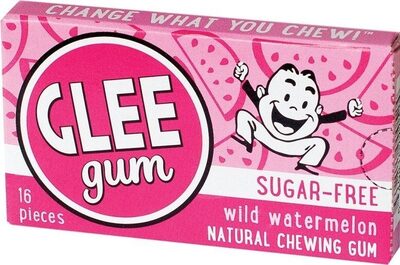 Verve, Inc.
Sugar-Free Gum, Watermelon
200kcal
0Protein
0Fat
80Carbs
Verve, Inc.
Sugar-Free Gum, Watermelon
200kcal
0Protein
0Fat
80Carbs
 Verve, Inc.
Sugar-Free Gum, Peppermint
200kcal
0Protein
0Fat
80Carbs
Verve, Inc.
Sugar-Free Gum, Peppermint
200kcal
0Protein
0Fat
80Carbs
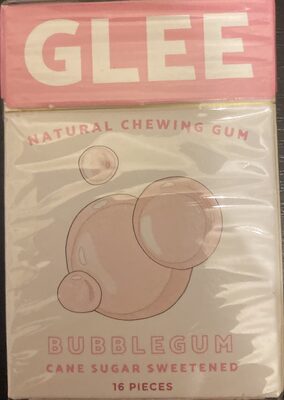 Verve, Inc.
Natural Chewing Gum, Bubblegum
200kcal
0Protein
0Fat
80Carbs
Verve, Inc.
Gum Pops, Juicy Orange, Crisp Green Apple, Sweet Strawberry
412kcal
0Protein
0Fat
100Carbs
Verve, Inc.
Bubblegum Natural Chewing Gum Pouch
200kcal
0Protein
0Fat
80Carbs
Verve, Inc.
Natural Chewing Gum, Bubblegum
200kcal
0Protein
0Fat
80Carbs
Verve, Inc.
Gum Pops, Juicy Orange, Crisp Green Apple, Sweet Strawberry
412kcal
0Protein
0Fat
100Carbs
Verve, Inc.
Bubblegum Natural Chewing Gum Pouch
200kcal
0Protein
0Fat
80Carbs
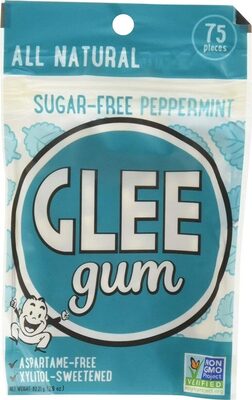 Verve, Inc.
All Natural Sugar-Free Refresh-Mint Gum, Refresh-Mint
200kcal
0Protein
0Fat
80Carbs
Verve, Inc.
All Natural Sugar-Free Refresh-Mint Gum, Refresh-Mint
200kcal
0Protein
0Fat
80Carbs
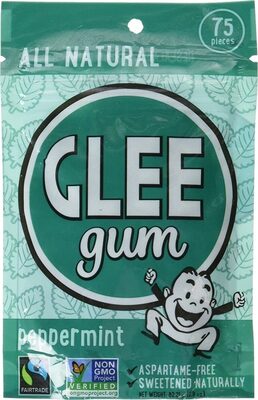 Verve, Inc.
Peppermint Natural Chewing Gum Pouch
200kcal
0Protein
0Fat
80Carbs
Verve, Inc.
Peppermint Natural Chewing Gum Pouch
200kcal
0Protein
0Fat
80Carbs
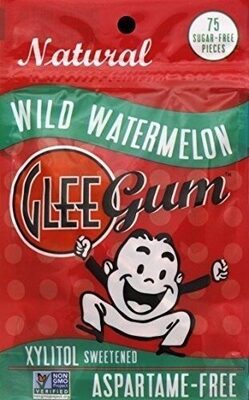 Verve, Inc.
Sugar-Free Gum, Wild Watermelon
200kcal
0Protein
0Fat
80Carbs
Golden Crown Foods, Inc.
Fortune Avenue, Beef Soup Noodle
High in sodium — 41% DV per serving
121kcal
5.9Protein
1.8Fat
20Carbs
Verve, Inc.
Sugar-Free Gum, Wild Watermelon
200kcal
0Protein
0Fat
80Carbs
Golden Crown Foods, Inc.
Fortune Avenue, Beef Soup Noodle
High in sodium — 41% DV per serving
121kcal
5.9Protein
1.8Fat
20Carbs