Dehydrated Spices
Auto-generated content. This description was generated automatically and is pending editorial review. Inaccuracies are possible. Found a mistake? Contact us.
What it is
Dehydrated spices are dried herbs, seeds, barks, roots, or fruits from plants. They are dried to preserve them and concentrate their flavor. Examples include dried basil, oregano, cumin, and pepper.
Why it's used
Manufacturers add dehydrated spices to enhance or impart flavor in a wide variety of foods. They are commonly found in seasoning blends, marinades, gravies, soups, and processed meats. Spices are essential for creating complex and appealing taste profiles in packaged foods.
Health notes
Dehydrated spices are generally recognized as safe (GRAS) by the FDA for use in food. They are used in small amounts for flavoring and are not typically associated with adverse health effects at these levels. International bodies like JECFA have evaluated spices for safety. While generally considered safe, some individuals may have sensitivities or allergies to specific spices.
Allergen info
Dehydrated spices are not derived from one of the 9 FDA major allergens. They do not contain gluten.
Products containing Dehydrated Spices
Compare products →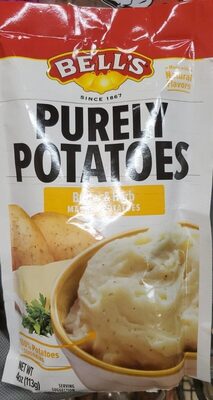 Brady Enterprises Inc
Purely Potatoes Sour Cream & Chive Mashed Potatoes, Purely Potatoes
High in sodium — 26% DV per serving
357kcal
7.1Protein
1.8Fat
75Carbs
Brady Enterprises Inc
Purely Potatoes Sour Cream & Chive Mashed Potatoes, Purely Potatoes
High in sodium — 26% DV per serving
357kcal
7.1Protein
1.8Fat
75Carbs
 Beanfields, Inc.
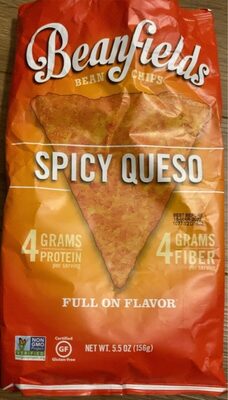
Spicy Queso Bean Chips, Spicy Queso
464kcal
14.3Protein
28.6Fat
57.1Carbs
Beanfields, Inc.
Spicy Queso Bean Chips, Spicy Queso
464kcal
14.3Protein
28.6Fat
57.1Carbs