Dehydrated Tamarind
What is Dehydrated Tamarind?
Tamarind is a tropical fruit that grows in a pod on the Tamarindus indica tree. The pulp inside the pod is often dried and processed into a powder or paste. It has a distinct sweet and sour flavor.
Is Dehydrated Tamarind vegan?
Dehydrated Tamarind is not animal-derived. Products that contain it can still include other animal-derived ingredients, so check the full ingredient list.
Is Dehydrated Tamarind gluten-free?
It does not contain gluten.
Is Dehydrated Tamarind a major allergen?
Tamarind is not derived from any of the nine major allergens recognized by the FDA.
What is Dehydrated Tamarind used for?
Dehydrated tamarind is used as a flavoring agent in a variety of foods and beverages, particularly in Asian and Latin American cuisines.
Is Dehydrated Tamarind safe?
Tamarind is generally recognized as safe (GRAS) by the FDA for use as a food ingredient.
Why it's used
Dehydrated tamarind is used as a flavoring agent in a variety of foods and beverages, particularly in Asian and Latin American cuisines. It adds a unique sweet and sour taste to dishes like curries, sauces, and marinades, as well as to drinks and candies.
Health notes
Tamarind is generally recognized as safe (GRAS) by the FDA for use as a food ingredient. It contains natural sugars, fiber, and some vitamins. While tamarind has been used in traditional medicine for various ailments, scientific evidence for these uses is often limited. Regulatory bodies like JECFA and EFSA have not set specific limits for tamarind as a food ingredient, as it is considered a foodstuff.
Allergen info
Tamarind is not derived from any of the nine major allergens recognized by the FDA. It does not contain gluten.
Foods that contain Dehydrated Tamarind
Compare products →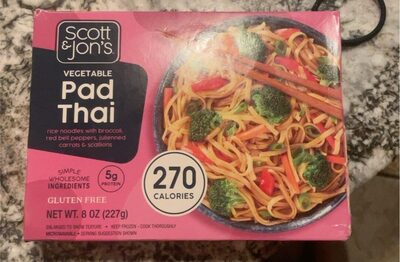 Demers Food Group Inc.
Vegetable Rice Noodles With Broccoli, Red Bell Peppers, Julienned Carrots & Scallions, Vegetable Pad Thai
High in sodium — 34% DV per serving
119kcal
2.2Protein
3.1Fat
22.0Carbs
Demers Food Group Inc.
Vegetable Rice Noodles With Broccoli, Red Bell Peppers, Julienned Carrots & Scallions, Vegetable Pad Thai
High in sodium — 34% DV per serving
119kcal
2.2Protein
3.1Fat
22.0Carbs
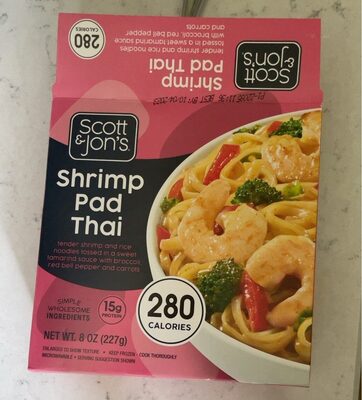 Demers Food Group Inc.
Shrimp Pad Thai Tender Shrimp And Rice Noodles Tossed In A Sweet Tamarind Sauce With Broccoli, Red Bell Pepper And Carrots, Shrimp Pad Thai
High in sodium — 35% DV per serving
High in cholesterol — 22% DV per serving
123kcal
6.6Protein
2.6Fat
18.1Carbs
Kimberly Fowler Inc.
Villa Hermosa, Aguas Frescas Flavored Drink Mix, Tamarindo Chia, Tamarindo Chia
300kcal
0Protein
0Fat
80Carbs
Demers Food Group Inc.
Shrimp Pad Thai Tender Shrimp And Rice Noodles Tossed In A Sweet Tamarind Sauce With Broccoli, Red Bell Pepper And Carrots, Shrimp Pad Thai
High in sodium — 35% DV per serving
High in cholesterol — 22% DV per serving
123kcal
6.6Protein
2.6Fat
18.1Carbs
Kimberly Fowler Inc.
Villa Hermosa, Aguas Frescas Flavored Drink Mix, Tamarindo Chia, Tamarindo Chia
300kcal
0Protein
0Fat
80Carbs
Auto-generated content. This description was generated automatically and is pending editorial review. Inaccuracies are possible. Found a mistake? Contact us.