Disodium Inosinate And Disodium Guanylate
What is Disodium Inosinate And Disodium Guanylate?
Disodium inosinate and disodium guanylate are flavor enhancers, often used together to create a synergistic effect. They are nucleotides, compounds naturally found in living cells. These ingredients are typically produced through the fermentation of sugars by microorganisms or from yeast extract.
Is Disodium Inosinate And Disodium Guanylate a major allergen?
These ingredients are not considered major allergens by the FDA.
What is Disodium Inosinate And Disodium Guanylate used for?
Manufacturers add these ingredients to enhance the savory, umami taste of foods, often working with monosodium glutamate (MSG) to create a stronger flavor.
Is Disodium Inosinate And Disodium Guanylate safe?
The FDA considers disodium inosinate and disodium guanylate to be generally recognized as safe (GRAS).
Why it's used
Manufacturers add these ingredients to enhance the savory, umami taste of foods, often working with monosodium glutamate (MSG) to create a stronger flavor. They are commonly found in processed foods like instant noodles, snack foods, soups, sauces, and processed meats.
Health notes
The FDA considers disodium inosinate and disodium guanylate to be generally recognized as safe (GRAS). JECFA has evaluated these ingredients and concluded that an acceptable daily intake (ADI) was not specified, meaning there is no safety concern at typical intake levels. There are no notable controversies specifically about these ingredients, though they are often used alongside MSG, which has been subject to some public concern.
Allergen info
These ingredients are not considered major allergens by the FDA. They are typically produced from yeast or plant starches like tapioca.
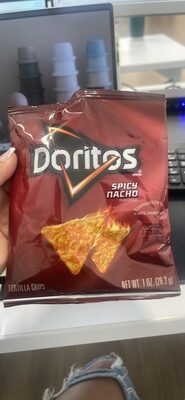
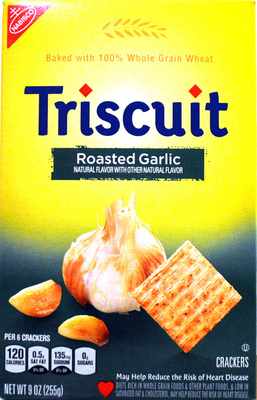
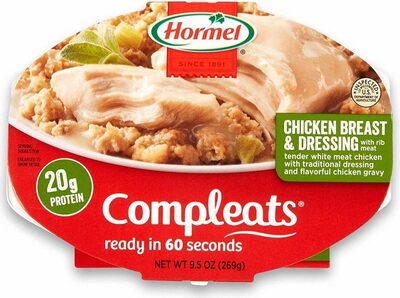
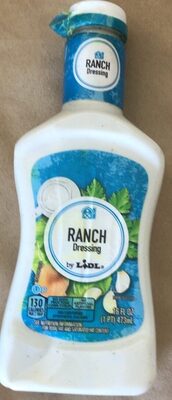
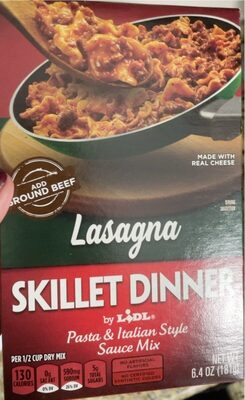
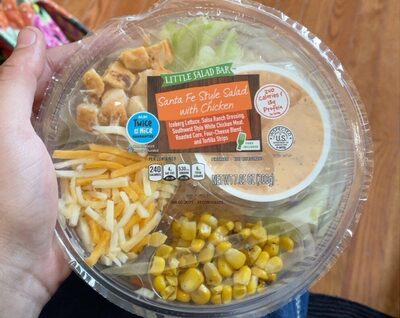
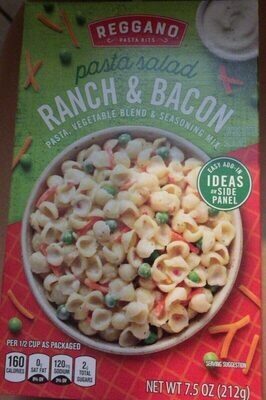
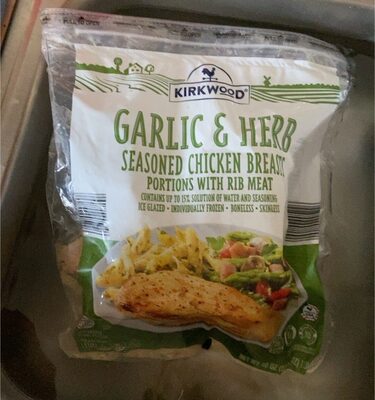
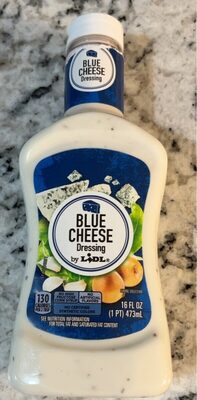
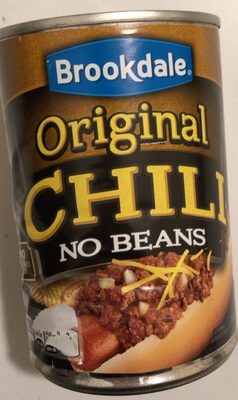
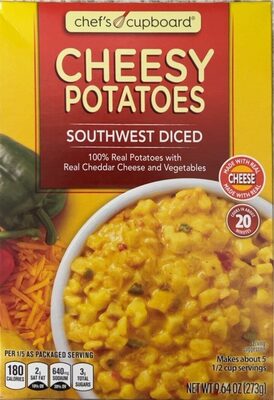
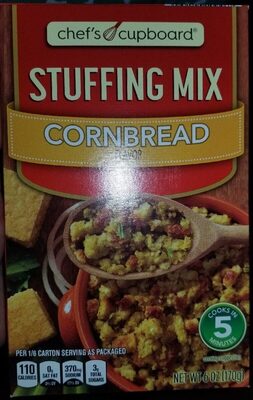
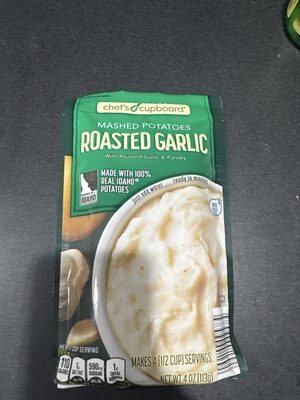
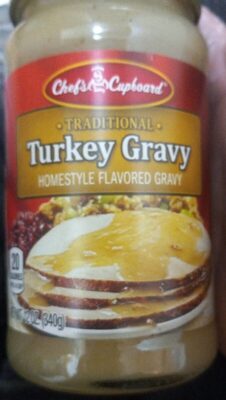
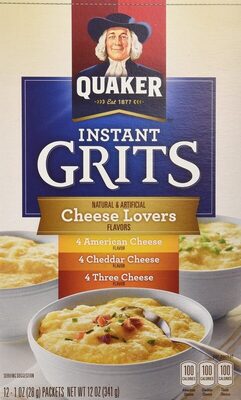
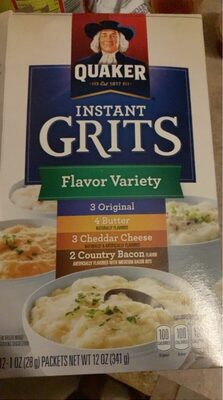
Foods that contain Disodium Inosinate And Disodium Guanylate
Compare products →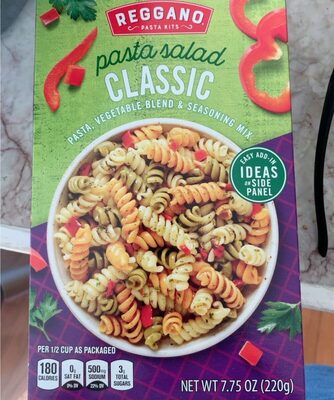
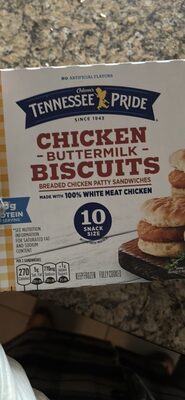
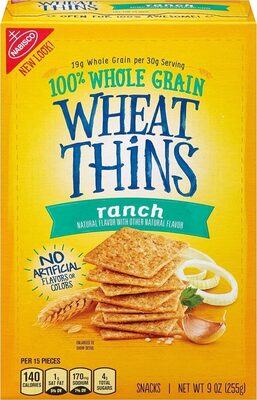
Learn more
Auto-generated content. This description was generated automatically and is pending editorial review. Inaccuracies are possible. Found a mistake? Contact us.