Dried Balsamic Vinegar
Auto-generated content. This description was generated automatically and is pending editorial review. Inaccuracies are possible. Found a mistake? Contact us.
What it is
Dried balsamic vinegar is a concentrated form of balsamic vinegar, which is traditionally made from grape must (crushed grapes). The must is simmered to reduce its water content, then fermented and aged for a long period. The drying process further concentrates its flavor and aroma.
Why it's used
Manufacturers use dried balsamic vinegar to add a sweet, tangy, and complex flavor to foods without adding significant liquid. It is often found in savory snacks like chips and pretzels, as well as in baked goods, sausages, and marinades.
Health notes
Dried balsamic vinegar is generally recognized as safe (GRAS) by the FDA when used as a food ingredient. It is primarily a source of sugars and acids. International bodies like JECFA have evaluated balsamic vinegar, but specific evaluations of the dried form may vary. At typical consumption levels, it is not associated with adverse health effects.
Allergen info
Dried balsamic vinegar is not derived from any of the 9 major allergens. It does not contain gluten.
Products containing Dried Balsamic Vinegar
Compare products →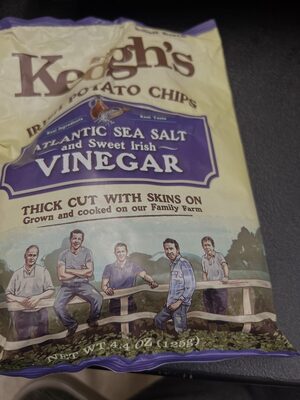 KEOGH'S
Irish Potato Crisps, Atlantic Sea Salt & Irish Cider Vinegar
High in sodium — 43% DV per serving
512kcal
6.8Protein
32.9Fat
45.6Carbs
KEOGH'S
Atlantic Sea Salt And Irish Cider Vinegar Crisps, Atlantic Sea Salt And Irish Cider Vinegar
High in sodium — 21% DV per serving
500kcal
7.1Protein
32.1Fat
46.4Carbs
Nabisco Biscuit Company
Balsamic Vinegar & Basil Crackers, Balsamic Vinegar & Basil
—kcal
10.3Protein
13.8Fat
72.4Carbs
KEOGH'S
Irish Potato Crisps, Atlantic Sea Salt & Irish Cider Vinegar
High in sodium — 43% DV per serving
512kcal
6.8Protein
32.9Fat
45.6Carbs
KEOGH'S
Atlantic Sea Salt And Irish Cider Vinegar Crisps, Atlantic Sea Salt And Irish Cider Vinegar
High in sodium — 21% DV per serving
500kcal
7.1Protein
32.1Fat
46.4Carbs
Nabisco Biscuit Company
Balsamic Vinegar & Basil Crackers, Balsamic Vinegar & Basil
—kcal
10.3Protein
13.8Fat
72.4Carbs
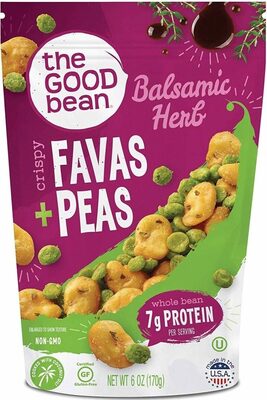 The Good Bean, LLC
Balsamic Herb Crispy Favas + Peas, Balsamic Herb
429kcal
25Protein
17.9Fat
53.6Carbs
The Good Bean, LLC
Balsamic Herb Crispy Favas + Peas, Balsamic Herb
429kcal
25Protein
17.9Fat
53.6Carbs