Dried Carrot Flake
What is Dried Carrot Flake?
Dried carrot flakes are made from dehydrated carrots. Carrots are root vegetables, typically orange, known for their beta-carotene content. The dehydration process removes water, concentrating the carrot flavor and nutrients.
Is Dried Carrot Flake vegan?
Dried Carrot Flake is not animal-derived. Products that contain it can still include other animal-derived ingredients, so check the full ingredient list.
Is Dried Carrot Flake gluten-free?
Carrots are not among the FDA's nine major food allergens, nor are they a source of gluten.
Is Dried Carrot Flake a major allergen?
Not a major allergen.
What is Dried Carrot Flake used for?
Manufacturers use dried carrot flakes to add color, flavor, and texture to foods.
Is Dried Carrot Flake safe?
Dried carrot flakes are generally recognized as safe (GRAS) by the FDA when used as a food ingredient.
Why it's used
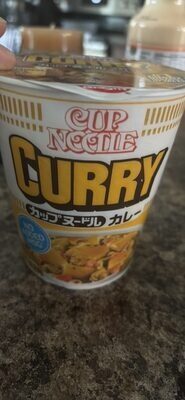
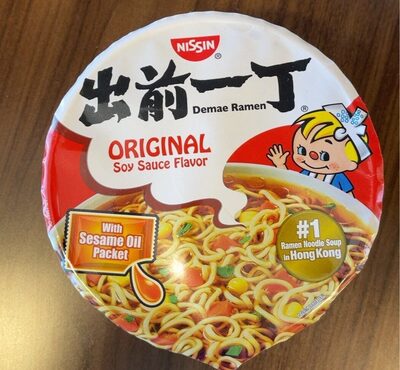
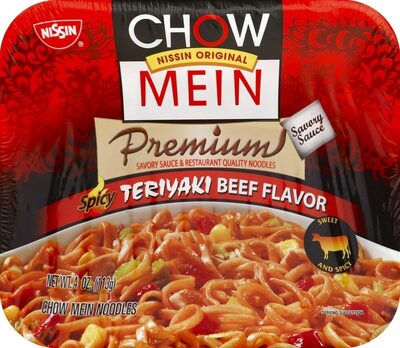
Manufacturers use dried carrot flakes to add color, flavor, and texture to foods. They are often found in dry soup mixes, noodle dishes, and seasoning packets. The flakes rehydrate during cooking, contributing a mild sweetness and vegetable taste.
Health notes
Dried carrot flakes are generally recognized as safe (GRAS) by the FDA when used as a food ingredient. They are a source of vitamins and fiber naturally found in carrots. International bodies like JECFA have evaluated carrots and their components. At typical consumption levels, they pose no known health risks.
Allergen info
Not a major allergen. Carrots are not among the FDA's nine major food allergens, nor are they a source of gluten.
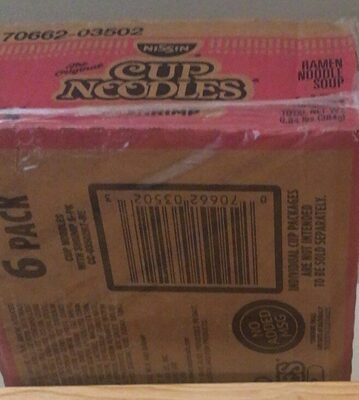
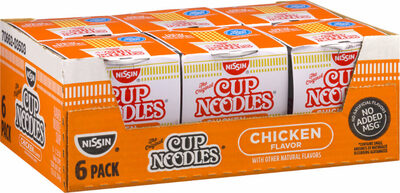
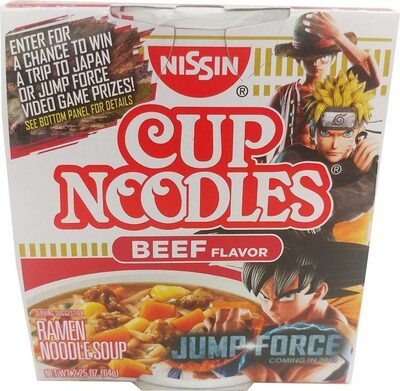
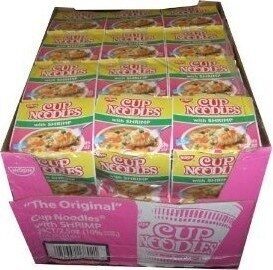
Foods that contain Dried Carrot Flake
Compare products →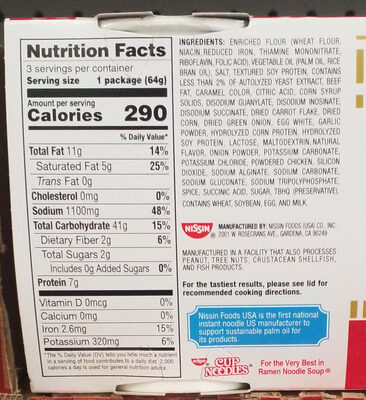
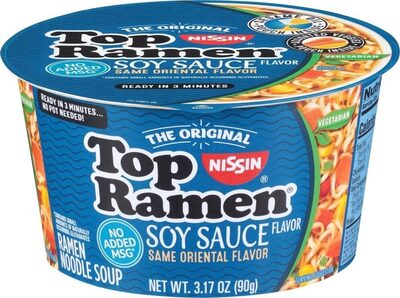
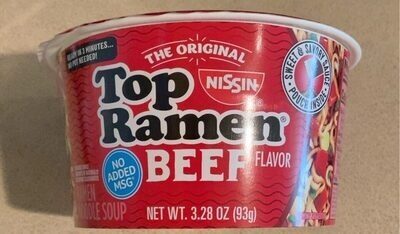
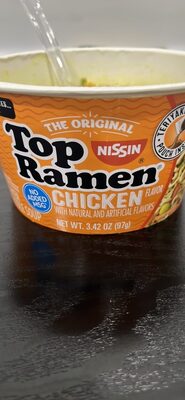
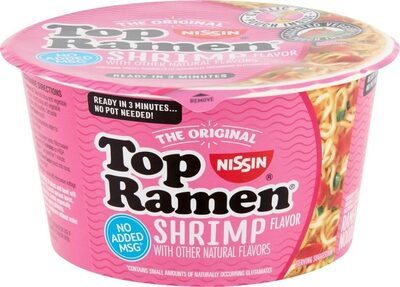
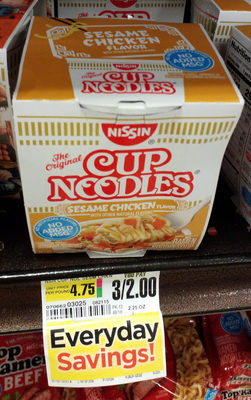
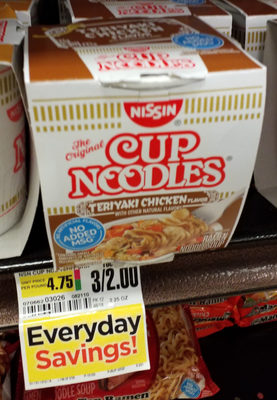
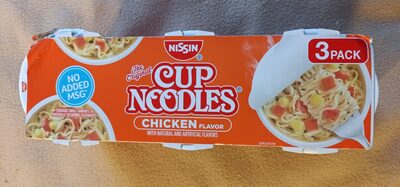
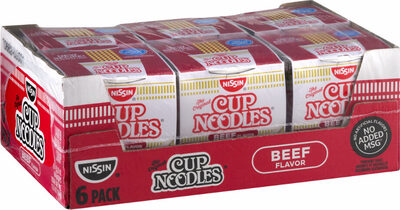
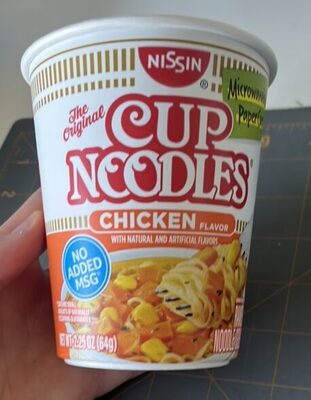
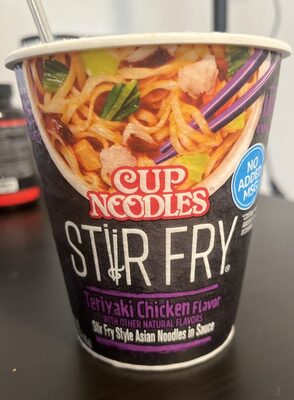
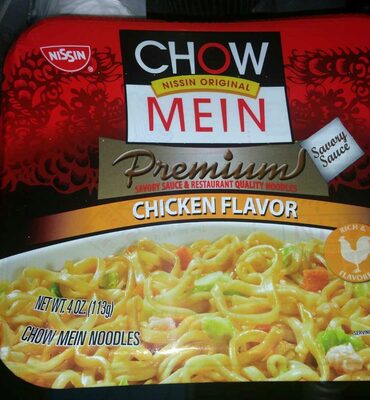
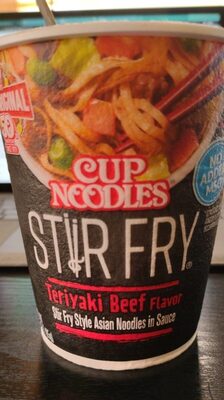
Auto-generated content. This description was generated automatically and is pending editorial review. Inaccuracies are possible. Found a mistake? Contact us.