Dried Carrots
What is Dried Carrots?
Dried carrots are made from fresh carrots that have had most of their water content removed through drying. This process concentrates their flavor and nutrients. They are often used as a convenient way to add carrot flavor and color to foods without the perishability of fresh carrots.
Is Dried Carrots vegan?
Dried Carrots is not animal-derived. Products that contain it can still include other animal-derived ingredients, so check the full ingredient list.
Is Dried Carrots gluten-free?
They do not contain gluten.
Is Dried Carrots a major allergen?
Carrots are not one of the nine FDA major allergens.
What is Dried Carrots used for?
Dried carrots are used to add a mild, sweet carrot flavor and color to a variety of foods.
Is Dried Carrots safe?
Dried carrots are generally recognized as safe (GRAS) by the FDA for use in food.
Why it's used
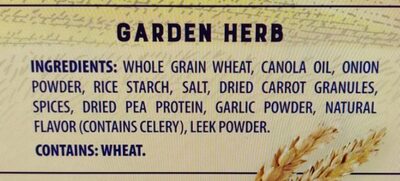
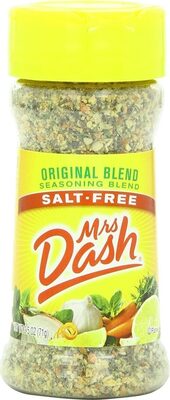
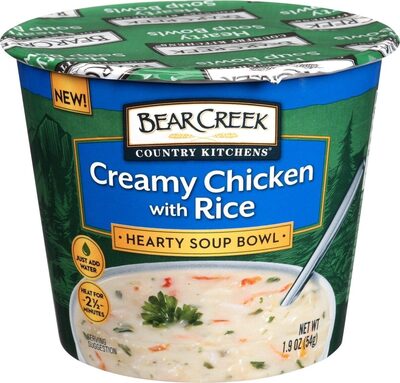
Dried carrots are used to add a mild, sweet carrot flavor and color to a variety of foods. They are commonly found in seasoning mixes, soups, stews, sauces, and snack mixes. Their concentrated form makes them a shelf-stable ingredient for adding vegetable components to processed foods.
Health notes
Dried carrots are generally recognized as safe (GRAS) by the FDA for use in food. They are a source of beta-carotene, which the body converts to vitamin A. The WHO and EFSA have evaluated carrots and their components, recognizing their nutritional value. At typical consumption levels, they are considered safe and contribute to a balanced diet.
Allergen info
Carrots are not one of the nine FDA major allergens. They do not contain gluten.
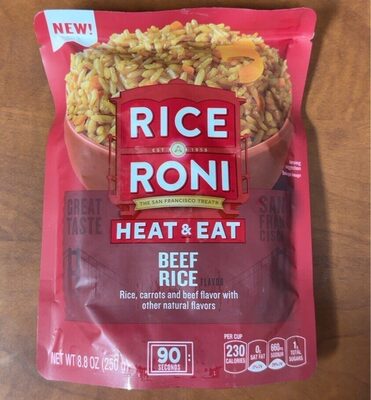
Foods that contain Dried Carrots
Compare products →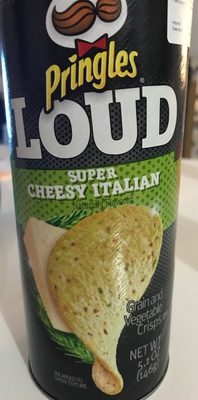
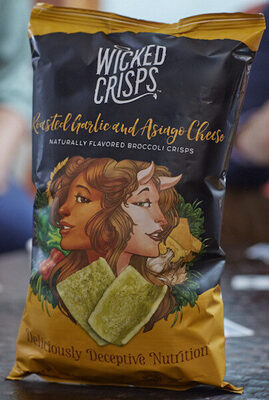
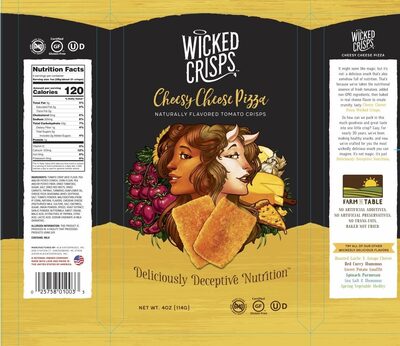
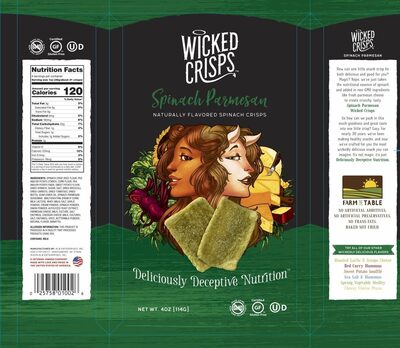 Wicked Crisps
Spinach Parmesan Spinach Crisps, Spinach Parmesan
429kcal
3.6Protein
10.7Fat
78.6Carbs
Auto-generated content. This description was generated automatically and is pending editorial review. Inaccuracies are possible. Found a mistake? Contact us.