Dried Goldenberries
What is Dried Goldenberries?
Dried goldenberries, also known as Cape gooseberries or Inca berries, are the dried fruit of a plant native to South America. The berries are typically dried through sun-drying or mechanical dehydration to preserve them and concentrate their flavor.
Is Dried Goldenberries vegan?
Dried Goldenberries is not animal-derived. Products that contain it can still include other animal-derived ingredients, so check the full ingredient list.
Is Dried Goldenberries gluten-free?
They do not contain gluten.
Is Dried Goldenberries a major allergen?
Goldenberries are not one of the nine major allergens recognized by the FDA.
What is Dried Goldenberries used for?
Dried goldenberries are often used as a natural sweetener and flavor enhancer in various food products.
Is Dried Goldenberries safe?
Goldenberries are generally recognized as safe (GRAS) by the FDA for use in food.
Why it's used
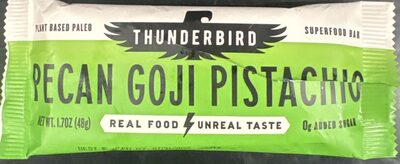
Dried goldenberries are often used as a natural sweetener and flavor enhancer in various food products. Their tart and slightly sweet taste makes them a popular addition to snack bars, trail mixes, baked goods, and chocolate confections.
Health notes
Goldenberries are generally recognized as safe (GRAS) by the FDA for use in food. They are a source of vitamins and antioxidants. International bodies like JECFA and EFSA have evaluated various food ingredients, but specific evaluations for dried goldenberries are not widely publicized. Evidence on specific health benefits at typical consumption levels is limited.
Allergen info
Goldenberries are not one of the nine major allergens recognized by the FDA. They do not contain gluten.
Foods that contain Dried Goldenberries
Compare products →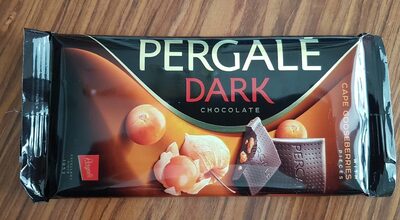
Auto-generated content. This description was generated automatically and is pending editorial review. Inaccuracies are possible. Found a mistake? Contact us.