Dried Olives
What is Dried Olives?
Dried olives are whole or pitted olives that have had most of their water removed through drying. This process concentrates their flavor and changes their texture, making them chewier and more intense. They are often cured in salt or brine before or after drying.
Is Dried Olives vegan?
Dried Olives is not animal-derived. Products that contain it can still include other animal-derived ingredients, so check the full ingredient list.
Is Dried Olives gluten-free?
They do not contain gluten.
Is Dried Olives a major allergen?
Olives are not one of the nine major allergens identified by the FDA.
What is Dried Olives used for?
Dried olives are used to add a concentrated, savory, and slightly salty flavor to a variety of foods.
Is Dried Olives safe?
Olives and olive products are generally recognized as safe (GRAS) by the FDA for use in food.
Why it's used
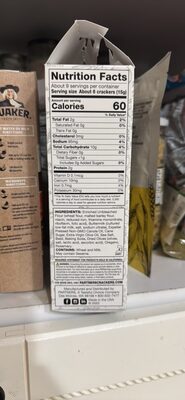
Dried olives are used to add a concentrated, savory, and slightly salty flavor to a variety of foods. They are often found in seasoned crackers, bread mixes, spice blends, and as a topping for pizzas or salads. Their intense flavor makes them a potent seasoning ingredient.
Health notes
Olives and olive products are generally recognized as safe (GRAS) by the FDA for use in food. They are a source of healthy fats, fiber, and antioxidants. JECFA has evaluated olives and their derivatives. While generally considered healthy, their high sodium content, especially in brined or salted varieties, should be considered as part of a balanced diet.
Allergen info
Olives are not one of the nine major allergens identified by the FDA. They do not contain gluten.
Foods that contain Dried Olives
Compare products →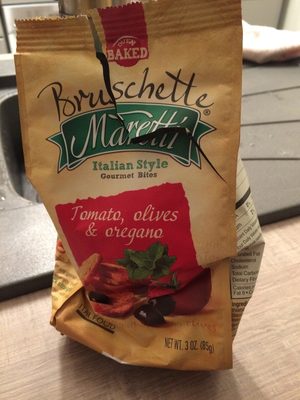

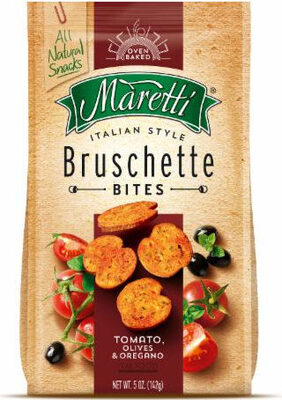
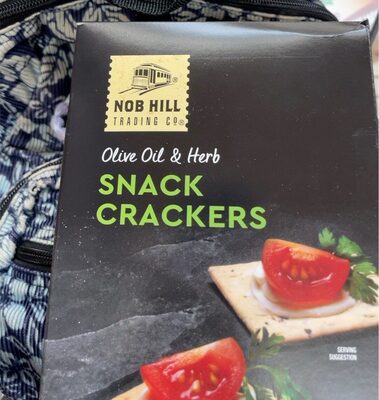
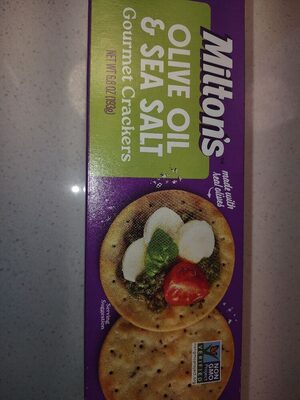
Auto-generated content. This description was generated automatically and is pending editorial review. Inaccuracies are possible. Found a mistake? Contact us.