Dried Rice Syrup
What is Dried Rice Syrup?
Dried rice syrup, also known as rice malt or rice extract, is a sweetener made from cooked rice that has been fermented with enzymes. The enzymes break down the rice starches into simpler sugars. The liquid is then evaporated to create a thick syrup.
Is Dried Rice Syrup vegan?
Dried Rice Syrup is not animal-derived. Products that contain it can still include other animal-derived ingredients, so check the full ingredient list.
Is Dried Rice Syrup gluten-free?
Dried rice syrup is gluten-free.
Is Dried Rice Syrup a major allergen?
Rice is not one of the nine major allergens recognized by the FDA.
What is Dried Rice Syrup used for?
Manufacturers use dried rice syrup primarily as a sweetener and binder in food products.
Is Dried Rice Syrup safe?
Dried rice syrup is generally recognized as safe (GRAS) by the FDA for use in food.
Why it's used
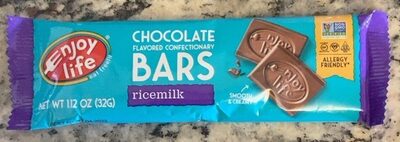
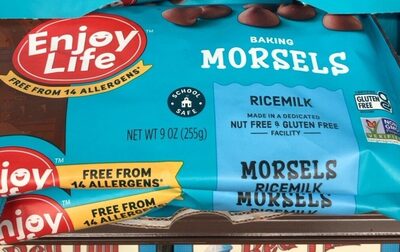
Manufacturers use dried rice syrup primarily as a sweetener and binder in food products. Its mild, caramel-like flavor and sticky texture make it suitable for confections, baked goods, and snack bars. It is often found in candies, chocolate, and other sweet treats.
Health notes
Dried rice syrup is generally recognized as safe (GRAS) by the FDA for use in food. It is a source of carbohydrates and sugars, similar to other caloric sweeteners. JECFA has evaluated rice syrup and did not specify a numerical ADI. Evidence does not suggest adverse health effects at typical consumption levels.
Allergen info
Rice is not one of the nine major allergens recognized by the FDA. Dried rice syrup is gluten-free.
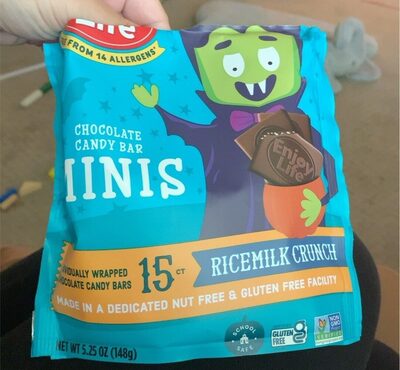
Foods that contain Dried Rice Syrup
Compare products →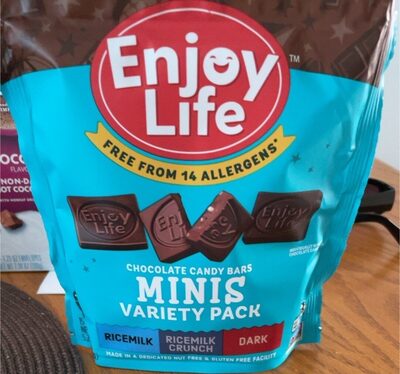
Learn more
Auto-generated content. This description was generated automatically and is pending editorial review. Inaccuracies are possible. Found a mistake? Contact us.