Dried Shiitake Mushroom
What is Dried Shiitake Mushroom?
Dried shiitake mushrooms are the dried fruiting bodies of the Lentinula edodes mushroom species. They are native to East Asia and are cultivated on logs or sawdust blocks. Drying concentrates their flavor and extends their shelf life.
Is Dried Shiitake Mushroom vegan?
Dried Shiitake Mushroom is not animal-derived. Products that contain it can still include other animal-derived ingredients, so check the full ingredient list.
Is Dried Shiitake Mushroom a major allergen?
Not a major allergen.
What is Dried Shiitake Mushroom used for?
Dried shiitake mushrooms are used to add a deep, savory, umami flavor to foods.
Is Dried Shiitake Mushroom safe?
Dried shiitake mushrooms are generally recognized as safe (GRAS) by the FDA for use as a food ingredient.
Why it's used
Dried shiitake mushrooms are used to add a deep, savory, umami flavor to foods. They are commonly found in Asian dishes like stir-fries, soups, noodle dishes, and sauces. They can be rehydrated in water, which also creates a flavorful broth.
Health notes
Dried shiitake mushrooms are generally recognized as safe (GRAS) by the FDA for use as a food ingredient. They are a source of vitamins, minerals, and fiber. The Joint FAO/WHO Expert Committee on Food Additives (JECFA) has evaluated shiitake mushrooms, but did not set a numeric acceptable daily intake (ADI). Some research suggests potential immune-modulating effects, but more studies are needed.
Allergen info
Not a major allergen. Shiitake mushrooms are not among the 9 FDA major allergens.
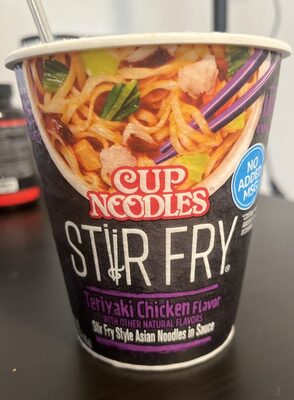
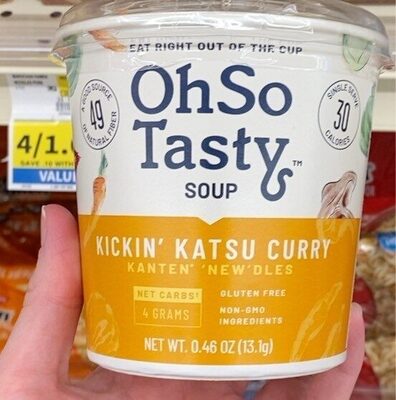
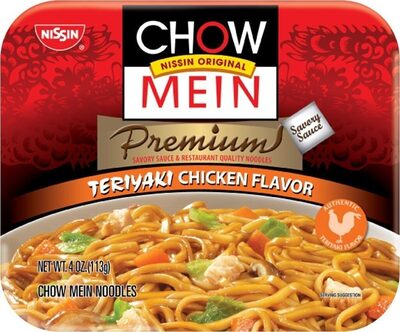
Foods that contain Dried Shiitake Mushroom
Compare products →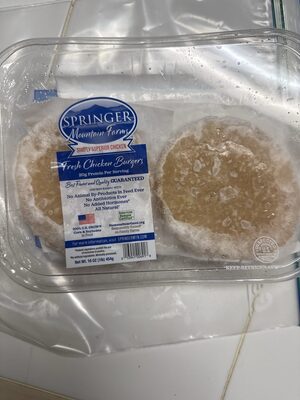
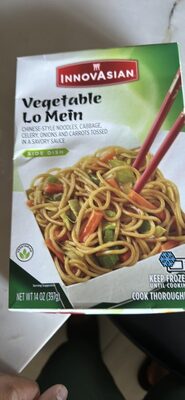
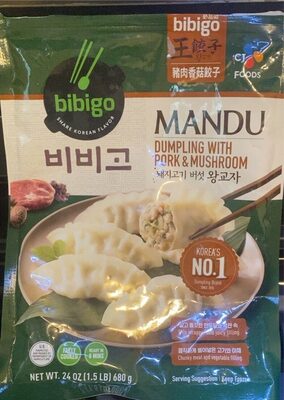
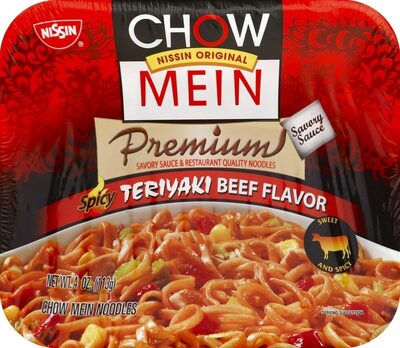
Auto-generated content. This description was generated automatically and is pending editorial review. Inaccuracies are possible. Found a mistake? Contact us.