Dried Soy Sauce
What is Dried Soy Sauce?
Dried soy sauce is a dehydrated form of traditional soy sauce. It is made by fermenting soybeans and wheat with salt and water, then drying the resulting liquid into a powder or granules. This process concentrates its savory flavor.
Is Dried Soy Sauce vegan?
Dried Soy Sauce is not animal-derived. Products that contain it can still include other animal-derived ingredients, so check the full ingredient list.
Is Dried Soy Sauce a major allergen?
Dried soy sauce contains two of the 9 FDA major allergens: soy and wheat.
What is Dried Soy Sauce used for?
Manufacturers add dried soy sauce primarily as a flavor enhancer, providing a salty, umami taste.
Is Dried Soy Sauce safe?
Dried soy sauce is generally recognized as safe (GRAS) by the FDA.
Why it's used
Manufacturers add dried soy sauce primarily as a flavor enhancer, providing a salty, umami taste. It is often found in savory snacks, frozen dinners, and noodle dishes to impart an Asian-inspired flavor profile.
Health notes
Dried soy sauce is generally recognized as safe (GRAS) by the FDA. Like liquid soy sauce, its primary health consideration is its high sodium content, which can contribute to exceeding the FDA Daily Value of 2,300 mg for sodium. JECFA and EFSA have evaluated the safety of its individual components, such as soy and salt, but not dried soy sauce as a specific additive. There are no notable controversies regarding dried soy sauce itself, beyond general dietary concerns about sodium intake.
Allergen info
Dried soy sauce contains two of the 9 FDA major allergens: soy and wheat.
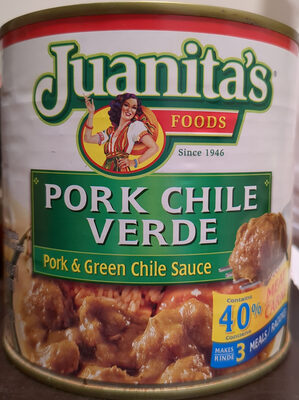
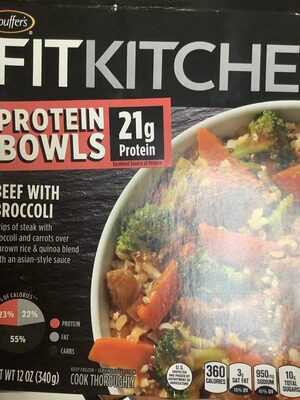
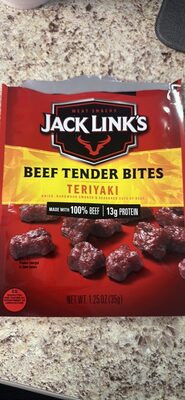
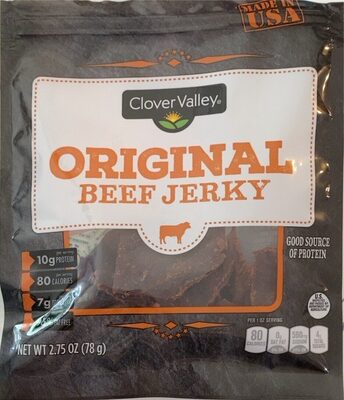
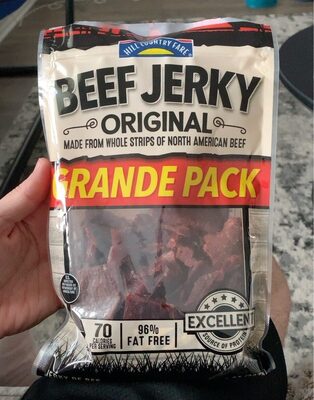
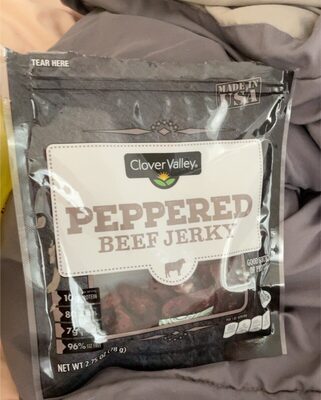
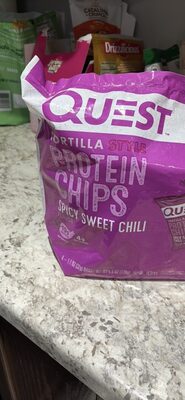
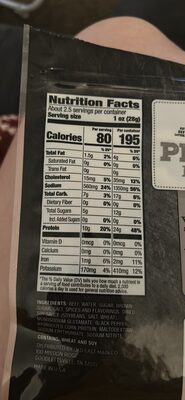
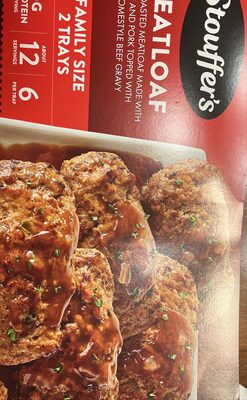
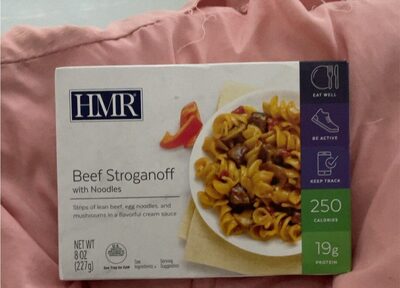
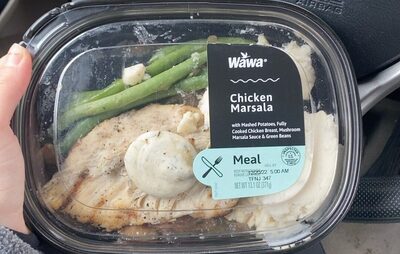
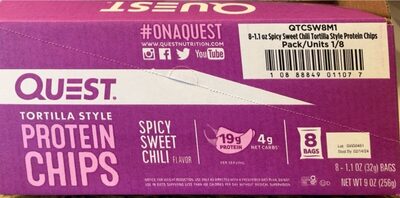
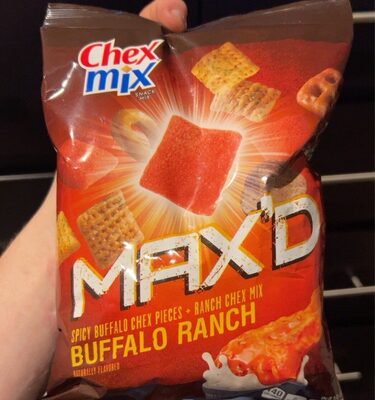
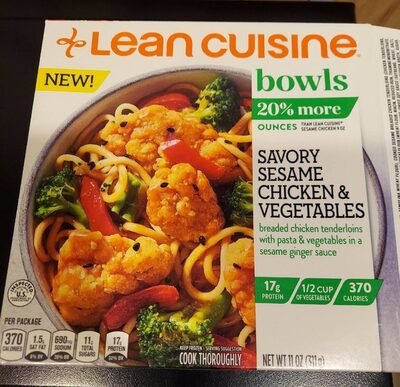
Foods that contain Dried Soy Sauce
Compare products →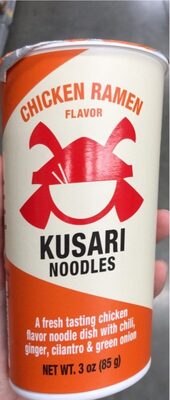
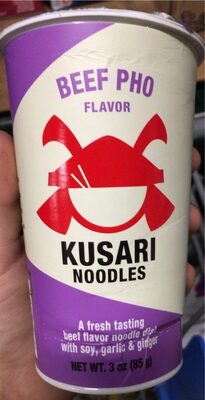
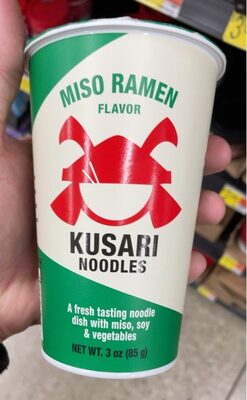
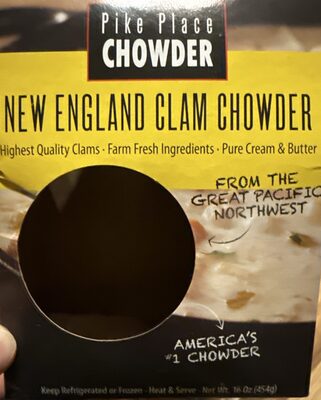
Learn more
Auto-generated content. This description was generated automatically and is pending editorial review. Inaccuracies are possible. Found a mistake? Contact us.