Dried Squash
What is Dried Squash?
Dried squash is made from various types of squash, such as zucchini, butternut, or acorn squash, that have had most of their water removed through drying. This process concentrates the squash's natural flavors and nutrients. It is often found in powdered or flaked form.
Is Dried Squash vegan?
Dried Squash is not animal-derived. Products that contain it can still include other animal-derived ingredients, so check the full ingredient list.
Is Dried Squash gluten-free?
It does not contain gluten.
Is Dried Squash a major allergen?
Squash is not one of the nine FDA major allergens.
What is Dried Squash used for?
Dried squash is used to add a mild, sweet squash flavor and a subtle vegetable note to foods.
Is Dried Squash safe?
Dried squash is generally recognized as safe (GRAS) by the FDA when used as a food ingredient.
Why it's used
Dried squash is used to add a mild, sweet squash flavor and a subtle vegetable note to foods. It can also contribute to texture and color. It is commonly found in pasta products, soups, sauces, and baked goods.
Health notes
Dried squash is generally recognized as safe (GRAS) by the FDA when used as a food ingredient. It is a source of vitamins and minerals, like vitamin A and potassium. International bodies such as JECFA have evaluated squash and its components. At typical consumption levels, it is not associated with adverse health effects.
Allergen info
Squash is not one of the nine FDA major allergens. It does not contain gluten.
Foods that contain Dried Squash
Compare products →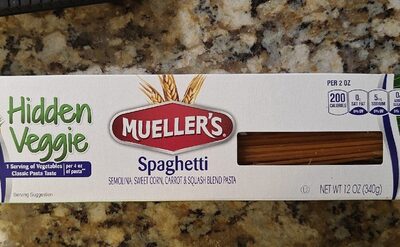
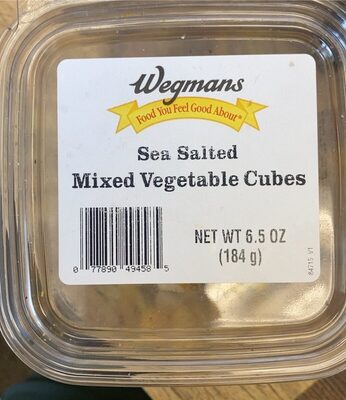
Auto-generated content. This description was generated automatically and is pending editorial review. Inaccuracies are possible. Found a mistake? Contact us.