Durum Wheat Semolina Enriched
What is Durum Wheat Semolina Enriched?
Durum wheat semolina is a coarse flour made from durum wheat, a hard variety of wheat. It is the primary ingredient in many traditional pasta products. The wheat is milled, and the bran and germ are removed, leaving the endosperm, which is then ground into semolina.
Is Durum Wheat Semolina Enriched vegan?
Durum Wheat Semolina Enriched is not animal-derived. Products that contain it can still include other animal-derived ingredients, so check the full ingredient list.
Is Durum Wheat Semolina Enriched gluten-free?
It contains gluten.
Is Durum Wheat Semolina Enriched a major allergen?
Durum wheat semolina is derived from wheat, which is one of the 9 major allergens recognized by the FDA.
What is Durum Wheat Semolina Enriched used for?
Semolina is used as a base for pasta, couscous, and some breads and desserts.
Is Durum Wheat Semolina Enriched safe?
Durum wheat semolina is a source of carbohydrates, protein, and some B vitamins and minerals.
Why it's used
Semolina is used as a base for pasta, couscous, and some breads and desserts. Its coarse texture and high gluten content make it ideal for extruded pasta, helping it hold its shape during cooking. It is also used as a thickener in some sauces and puddings.
Health notes
Durum wheat semolina is a source of carbohydrates, protein, and some B vitamins and minerals. It is considered a staple food in many diets. The FDA considers enriched semolina to be a safe and nutritious food ingredient. There are no specific upper intake limits set by regulatory bodies for semolina consumption, as it is a whole food.
Allergen info
Durum wheat semolina is derived from wheat, which is one of the 9 major allergens recognized by the FDA. It contains gluten.
Foods that contain Durum Wheat Semolina Enriched
Compare products →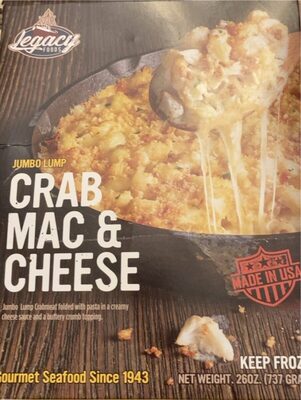 Fulcher's Point Pride Seafood
Crab Mac & Cheese Jumbo Lump Crabmeat Folded With Pasta In A Creamy Cheese Sauce And A Buttery Crumb Topping, Crab Mac & Cheese
High in sodium — 20% DV per serving
High in saturated fat — 45% DV per serving
220kcal
10.6Protein
13.8Fat
13.8Carbs
Harris-Teeter Inc.
Penne Rustica Penne Pasta With Chicken And Bacon In A Cream Sauce, Penne Rustica
High in sodium — 22% DV per serving
High in saturated fat — 50% DV per serving
High in cholesterol — 20% DV per serving
239kcal
6.2Protein
16.8Fat
15.0Carbs
Harris-Teeter Inc.
Macaroni & Cheese Macaroni Pasta With Aged Cheddar Cheese Sauce, Macaroni & Cheese
High in sodium — 40% DV per serving
High in saturated fat — 75% DV per serving
High in cholesterol — 23% DV per serving
192kcal
8.0Protein
10.7Fat
16.1Carbs
Harris-Teeter Inc.
Baked Ziti With Tomato Sauce
High in sodium — 50% DV per serving
High in saturated fat — 40% DV per serving
155kcal
8.0Protein
7.1Fat
14.2Carbs
Fulcher's Point Pride Seafood
Crab Mac & Cheese Jumbo Lump Crabmeat Folded With Pasta In A Creamy Cheese Sauce And A Buttery Crumb Topping, Crab Mac & Cheese
High in sodium — 20% DV per serving
High in saturated fat — 45% DV per serving
220kcal
10.6Protein
13.8Fat
13.8Carbs
Harris-Teeter Inc.
Penne Rustica Penne Pasta With Chicken And Bacon In A Cream Sauce, Penne Rustica
High in sodium — 22% DV per serving
High in saturated fat — 50% DV per serving
High in cholesterol — 20% DV per serving
239kcal
6.2Protein
16.8Fat
15.0Carbs
Harris-Teeter Inc.
Macaroni & Cheese Macaroni Pasta With Aged Cheddar Cheese Sauce, Macaroni & Cheese
High in sodium — 40% DV per serving
High in saturated fat — 75% DV per serving
High in cholesterol — 23% DV per serving
192kcal
8.0Protein
10.7Fat
16.1Carbs
Harris-Teeter Inc.
Baked Ziti With Tomato Sauce
High in sodium — 50% DV per serving
High in saturated fat — 40% DV per serving
155kcal
8.0Protein
7.1Fat
14.2Carbs
Learn more
Auto-generated content. This description was generated automatically and is pending editorial review. Inaccuracies are possible. Found a mistake? Contact us.